
Procurement for a Cimaf head usually starts with a part number from a parts list: DCC-301, DCH-303, sometimes a price from a dealer that arrives three weeks later. The number is the easy part. The hard part is knowing whether the tooth you are being quoted is the tooth your rotor actually takes, and whether the holder behind it is still worth putting a new tooth into.
This reference covers how the Denis Cimaf numbering works for mulching teeth and holders, what the common part numbers refer to, how to inspect both the tooth and the holder, and how to confirm a replacement by dimension rather than by number alone. For the full head-by-head guide, see our Denis Cimaf mulcher teeth guide.
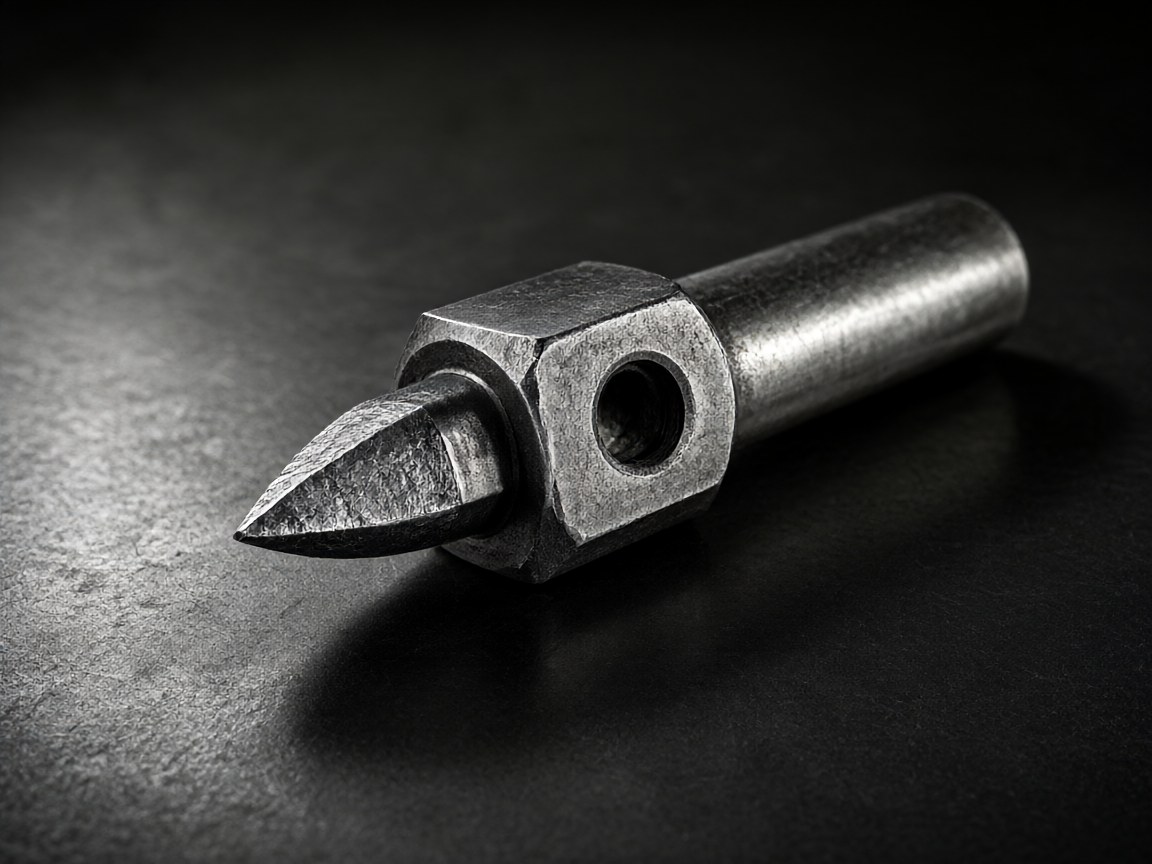
How to read the Cimaf numbering
The prefixes tell you which family of part you are holding, and mixing them up is where most ordering errors come from:
- DCC — carbide tooth. A consumable cutting tooth with brazed tungsten carbide, bolted or pinned to a holder. DCC-301 is the part number most commonly quoted for a Cimaf carbide mulching tooth.
- DCH — tooth holder. The block welded or bolted to the rotor that carries the tooth. DCH-303 is a holder reference. Holders are not consumables in the same sense as teeth, but they wear and they crack.
- DAH / DAF — the mulching head models themselves. Teeth and holders are ordered against the head, so the head model is the first thing to confirm.
A number alone does not prove fitment. Cimaf has revised tooth geometry across generations, and aftermarket suppliers have historically cross-referenced numbers loosely. Treat the number as a lead, then verify with dimensions.
What to check before you order a DCC-301 replacement
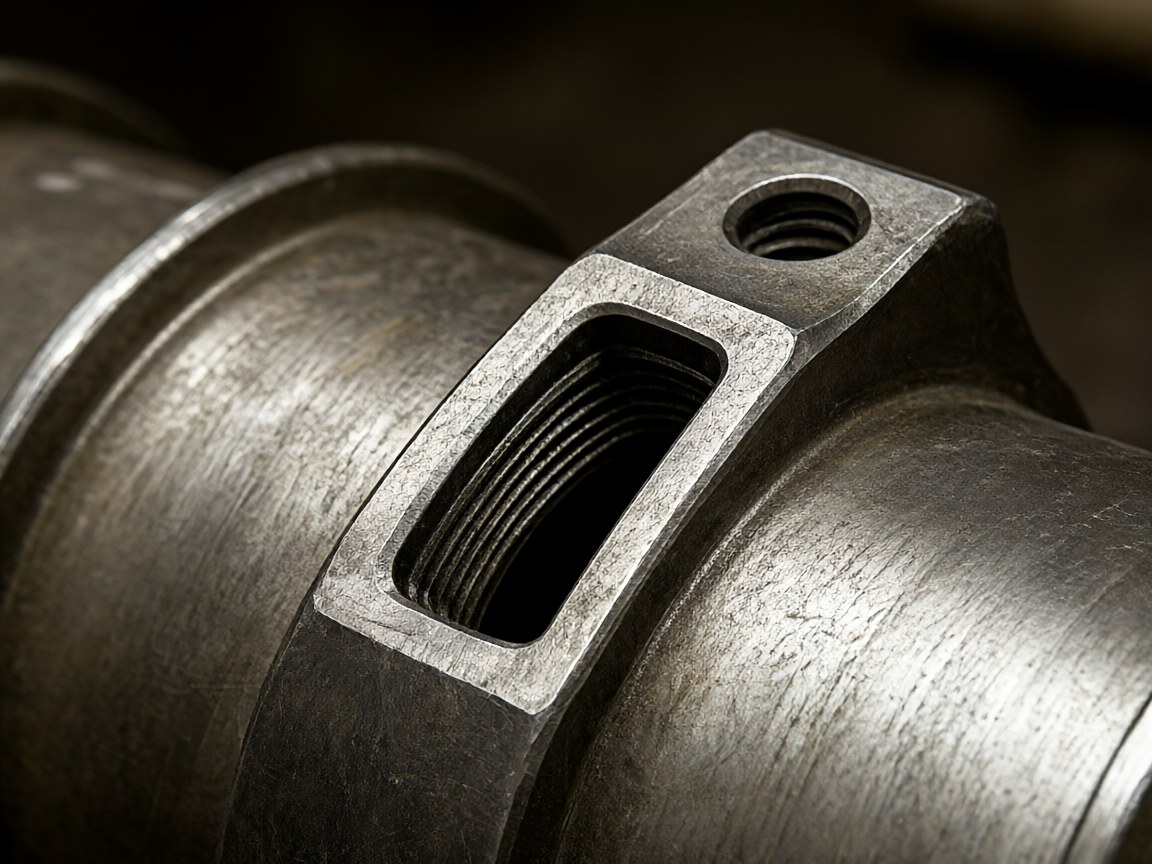
- Measure the tooth body: overall length, width at the widest point, and the thickness at the cutting end.
- Measure the shank or mounting feature — diameter, length, and whether it is a bolt hole or a captured pin.
- Note the thread: size, pitch and length. A 3/4 inch UNF thread and an M16 fine thread look similar in a photo and are not interchangeable.
- Photograph three views: top, side, and the mounting face, with a ruler in frame.
- Note the head model (DAH or DAF series) and, if legible, the original part number cast or stamped on the holder.
When the holder is the problem, not the tooth
A new tooth in a worn holder will not hold. Check the holder before ordering teeth, because a holder that needs replacing changes the whole purchase:
- the seat face is polished or dished — the tooth is rocking, not seating;
- the bore or pin hole is oval rather than round;
- there are cracks at the weld or at the corner of the seat;
- the holder has been ground down by the rotor or by contact with the ground;
- a new tooth sits proud even after the seat has been cleaned back to bare metal.
A worn holder is also why teeth “keep breaking in the same position” — the tooth is getting hammered instead of cutting. The torque and installation sequence that avoids that failure mode is in our mulcher teeth installation and torque guide.
Reading wear on a carbide mulcher tooth
Carbide does not wear gradually the way steel does. The failure sequence is predictable:
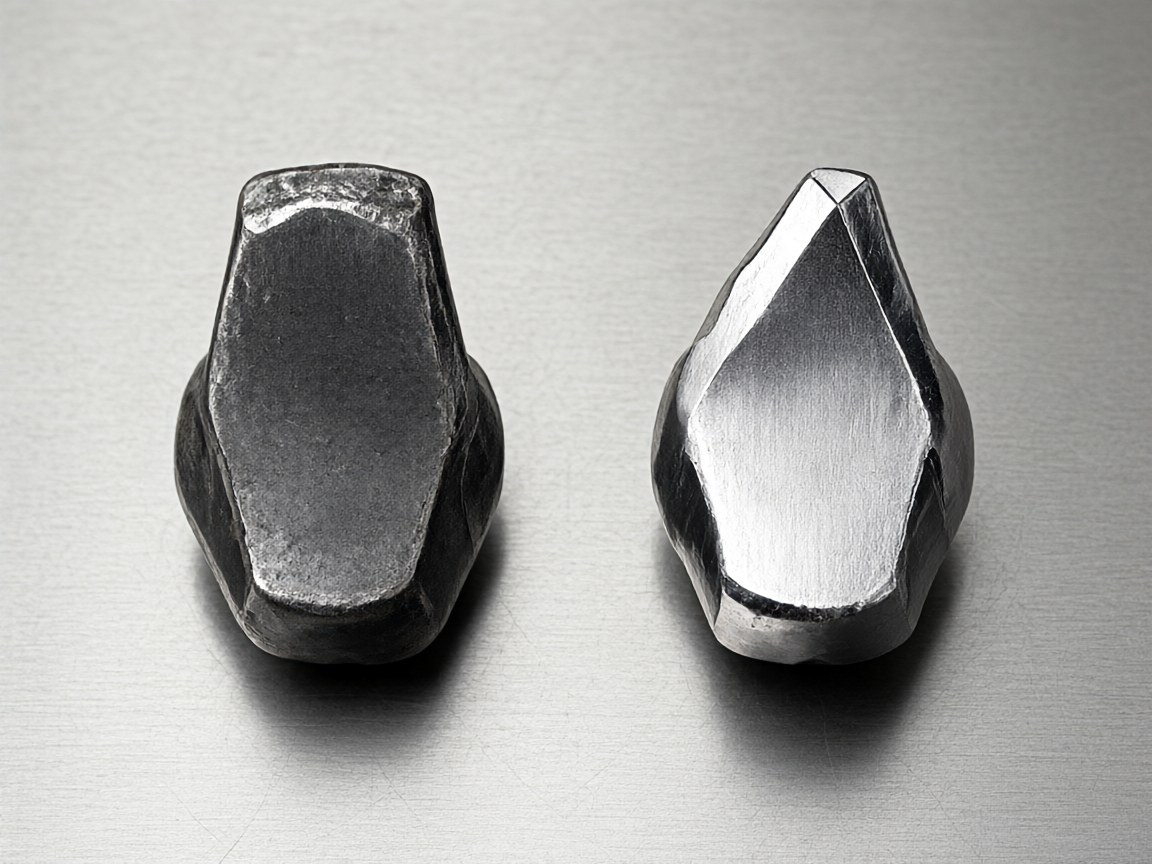
- The carbide tip flattens and the cutting edge rounds over — cutting speed drops, fuel per acre climbs, the operator starts making a second pass.
- The tip chips on a corner. Once chipped, the steel body around it wears quickly because the carbide is no longer protecting the leading edge.
- The carbide debonds and leaves the steel body exposed. At this point the tooth is finished even though it still looks like a tooth.
Replace at stage 1 or 2. Running to stage 3 costs more than the tooth: the exposed steel body wears a groove in the holder, and the holder is the expensive part.
Aftermarket teeth for Cimaf heads
BauRong has been making aftermarket wear parts for forestry and land clearing since 2009. Teeth for Cimaf heads are hot-forged from alloy steel, vacuum heat treated, and brazed with YG8 or YG11C carbide for normal or rocky ground, machined to the original seating so no rotor modification is needed. See the Denis Cimaf mulcher teeth range and our BR-FM2006 Cimaf-compatible tooth.
Denis Cimaf is a trademark of its owner. Our teeth are independent aftermarket replacements, identified by compatibility only. Send the head model, the original part number and the measurements and we will confirm the match — contact us for a quotation within 24 hours.
Related guides
- Denis Cimaf mulcher teeth guide
- mulcher teeth installation and torque guide
- forestry mulcher teeth guide
- Denis Cimaf mulcher teeth range
- forestry mulcher wear parts range
Frequently asked questions
What is a DCC-301 tooth?
DCC-301 is a Denis Cimaf part reference for a carbide mulching tooth — the DCC prefix identifies a consumable carbide tooth, as opposed to DCH which identifies a tooth holder. Confirm fitment by measuring the body and mounting feature, not by the number alone.
What is a DCH-303?
DCH-303 is a Cimaf tooth holder reference. The holder is the block on the rotor that carries the tooth. A worn or cracked holder must be replaced before fitting a new tooth, otherwise the tooth will not seat and will fail early.
How do I know if my Cimaf holder needs replacing?
Look for a polished or dished seat face, an oval bore or pin hole, cracks at the weld or seat corner, and a new tooth that still sits proud after the seat has been cleaned. Any of these means the holder is the problem, not the tooth.
Can aftermarket teeth be used on a Denis Cimaf head?
Yes. BauRong teeth are machined to the dimensions of the original seating, bolt pattern and carbide position, so no rotor modification is required. Denis Cimaf is a trademark of its owner and is used only to identify compatibility.
Related posts

AHWI and Prinoth Mulcher Knives: Types, Fit and Wear
AHWI and Prinoth mulcher knives explained: knife versus carbide hammer, the UPT and M-Class rotor families, how to identify the blade on your rotor, and how wear actually progresses on a knife edge.

Vermeer Stump Grinder Teeth: Wheel and Vertical Grinder Fit
Vermeer stump grinder teeth by machine layout: wheel versus vertical grinders, the tooth styles each one takes, how to read wear, and how to match a replacement by dimension instead of by part number alone.

Bobcat Mulcher Teeth: Drum and Disc Fit, Wear and Replacement
Bobcat mulcher teeth differ between drum and disc heads. What the OEM part numbers map to, how the BR-FM2034 replacement fits, the two 1/2 inch UNF threads that decide it, and when a tooth is finished.

Haybuster and Duratech Grinder Teeth: A Fit and Wear Guide
Tub grinder teeth for Haybuster and Duratech machines: how tub and horizontal grinders load their hammers differently, the severe duty replacement that fits both, wear signs, and how to match a tooth by dimension.

Denis Cimaf DCC-301 and DCH-303: Tooth, Holder and Fitment Reference
How to read the Denis Cimaf part numbering for mulcher teeth and holders, what DCC-301 and DCH-303 actually are, how to check wear on the tooth and the holder, and how to order the right replacement by dimension.