
When a forestry mulching drum starts throwing dust instead of chips, the problem is almost always the same: worn forestry mulcher teeth. Tooth wear is the single biggest operating cost on mulching attachments, and the difference between a job finished on schedule and a machine parked mid-project often comes down to the quality of the teeth you bolted on. This guide explains what makes carbide-tipped mulcher teeth last longer, how to match teeth to your machine, and what to look for in a manufacturer.
What Are Forestry Mulcher Teeth?
Forestry mulcher teeth are the replaceable cutting tools mounted on the rotor drum of a forestry mulcher or masticator. As the drum spins at high speed, the teeth shred standing trees, brush, and stumps into fine mulch. Because they operate in an environment full of abrasive silica, rocks, and impact loads, these teeth are consumables — but not all consumables wear out at the same rate.
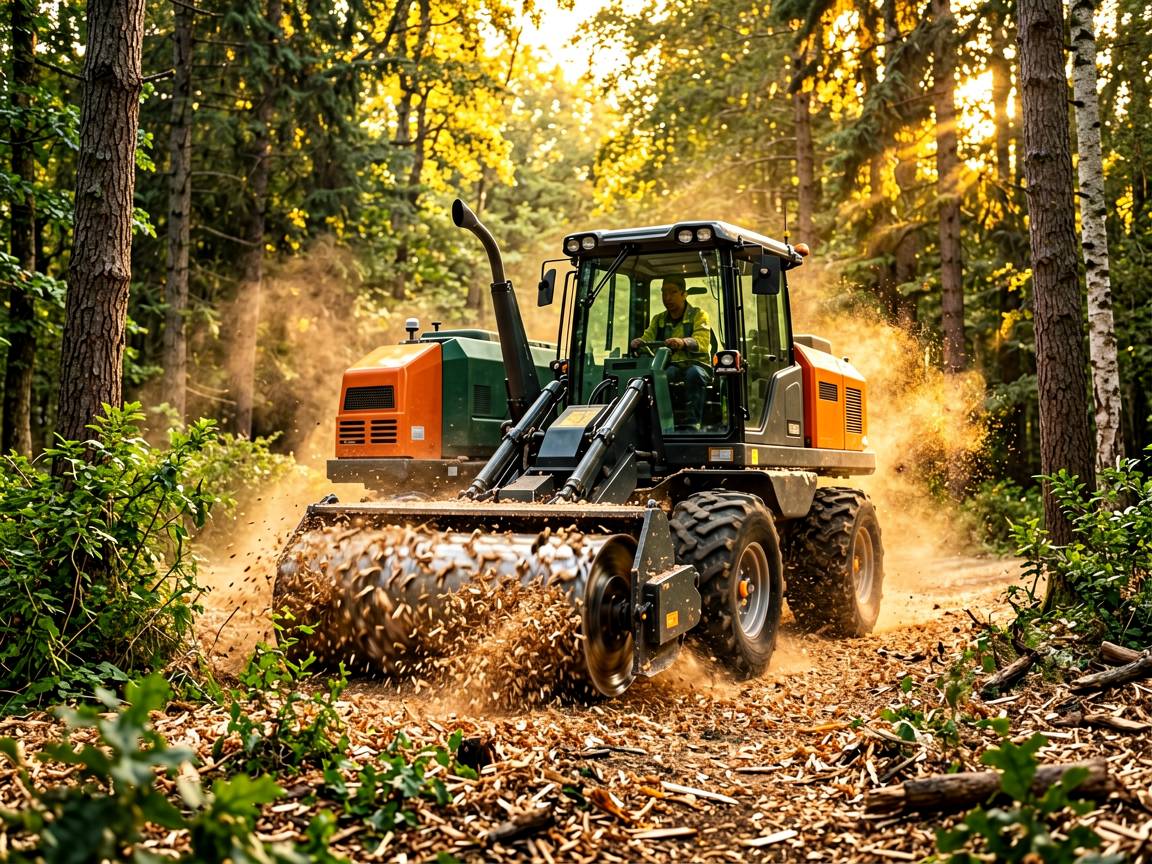
Most professional machines today use a rotor equipped with carbide-tipped mulcher teeth — steel bodies with a brazed tungsten carbide insert at the cutting point. The steel body absorbs impact; the carbide edge resists abrasion. This combination is what allows modern mulchers to work in rocky, sandy soil where plain hardened steel teeth would dull within hours.
Why Carbide-Tipped Teeth Outlast Standard Steel
Tungsten carbide is one of the hardest engineering materials available — roughly twice as hard as hardened tool steel. In field conditions, that translates into measurable differences:
- 2–4× longer service life in abrasive soils compared with heat-treated steel teeth
- Consistent cutting performance — carbide holds a sharp edge instead of slowly rounding over
- Less rotor stress — sharp teeth cut instead of tearing, reducing vibration and fuel burn
- Lower cost per hour — fewer change-outs mean less downtime and fewer labor hours
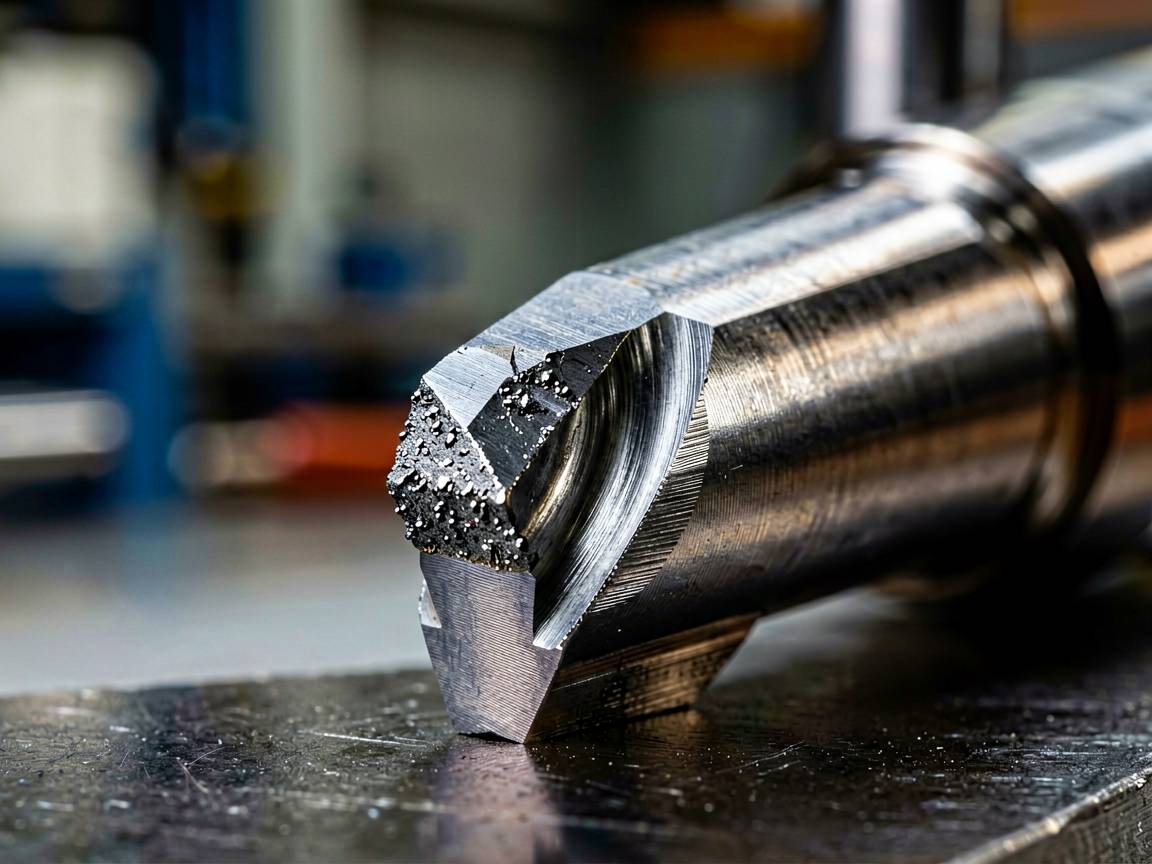
The catch: carbide is brittle. A poorly brazed insert or a low-grade steel body will crack or shed its tip on the first rock strike. That is why the manufacturing process behind the tooth matters as much as the material on the label.
How to Choose the Right Mulcher Teeth
1. Match the tooth to your machine
Mulcher teeth are not universal. Each OEM designs its own holder geometry, bolt pattern, and rotor balance. Before ordering, confirm compatibility with your attachment brand and model. At Baurong, our FAE mulcher teeth are engineered to original specifications for FAE mulchers, and we also supply teeth compatible with FECON, Quadco, Bandit, AHWI/Prinoth, Denis Cimaf, Loftness, and other major brands — including the BR-FM2006 carbide mulcher tooth and related models in our wear parts range.
2. Check the steel body and forging quality
The carbide tip only performs as well as the body holding it. Look for teeth forged from alloy steel rather than castings — forging refines the grain structure and gives the body the toughness to survive repeated rock impacts without cracking. Our expansion into construction machinery wear parts was built on the same forged-component platform we use for forestry teeth.
3. Verify heat treatment and brazing
A tooth that is too hard will snap; too soft and it will bend. Controlled hardening and tempering — combined with vacuum or induction brazing of the carbide insert — is what separates a 400-hour tooth from a 40-hour tooth. Ask your supplier for hardness reports and batch traceability before you commit to volume orders.
Manufacturing Strength Behind the Tooth
Wenzhou BauRong Machinery has manufactured forged and CNC-machined wear parts since 2009. Our 38,600 m² facility runs the full process chain under one roof — hot forging, investment casting, 5-axis CNC machining, automated welding, vacuum heat treatment, and surface coating — with an annual capacity of over one million pieces exported to more than 100 countries.
That vertical integration matters for buyers: a single supplier controlling raw material, forging, machining, and heat treatment can guarantee consistency across batches and respond quickly to custom drawings. Alongside forestry teeth, we supply agriculture wear parts such as tiller blades and cultivator points, plus chocky bars and grinder tips for mining and construction wear protection. And because land management is a stewardship business, our reforestation commitment means we take the long view of the forests our products work in.
Frequently Asked Questions
How long should forestry mulcher teeth last?
In clean, sandy soil, carbide-tipped teeth typically deliver 200–600 operating hours depending on tooth design, rotor speed, and material being mulched. Rocky or highly abrasive conditions reduce that figure. Track hours per set and rotate or sharpen teeth before performance drops noticeably.
Can I use aftermarket teeth on FAE mulchers?
Yes — provided the aftermarket tooth matches the OEM holder geometry, weight, and balance. Quality aftermarket teeth from a forging manufacturer offer comparable performance at a lower cost per hour. Confirm the supplier provides material certificates and dimensional reports.
What is the MOQ for custom mulcher teeth?
MOQ depends on the forging size and tooling. As a rule, forged custom teeth are economical from a few hundred pieces per design. Send your drawings or a sample tooth through our contact form and our engineering team will reply with a quotation and solution within 24 hours.
Get a Quote Within 24 Hours
The right forestry mulcher teeth protect your rotor, your schedule, and your margin. Whether you need FAE-compatible carbide teeth, a custom forged design, or a wear program for a mixed fleet, our engineers are ready to review your requirements. Contact us with your drawings or machine model, and receive a precise quotation and solution within 24 hours.
Related posts

Bandit Beast Wear Parts: A Practical Guide to Teeth, Cutterbodies and Rakers
A grinding contractor in Ohio added a second shift on his 3680XP to keep up with tear-off shingles, and his wear-parts bill doubled in a month. The teeth were not wearing out faster — he was simply ru...

Denis Cimaf Mulcher Teeth: A Replacement Guide for DAH and DAF Series
A land-clearing crew near Trois-Rivières was three days into a right-of-way job when the DAF-180E started leaving streaks of uncut brush. The operator pulled the head, and half the forged knives were ...

Chocky Bars: What They Are, Where to Use Them, and How to Choose
A quarry manager in Western Australia once told us his bucket rebuild budget was the only line item he could not predict. The lip would look fine at the monthly inspection, then lose six millimeters o...

FAE Mulcher Teeth: A Replacement Guide for UML, UMM and UMH Mulchers
FAE mulching heads hold their value better than almost anything else in the land clearing business, and for good reason. The weak point is not the machine. It is a row of steel teeth spinning against ...

Stump Grinder Teeth: When to Replace Them and How to Choose
Last month a tree service crew from Georgia sent us photos of their grinder. The machine had less than 800 hours on it, but the wheel was shaking so hard the operator refused to run it. They suspected...