
A biomass yard in the Pacific Northwest was processing stumps, demolition wood and green waste through a pair of horizontal grinders, and their wear-parts spend was all over the map: cheap tips that died in a day on one rotor, premium tips that never paid for themselves on the other. The yard manager finally sat down with both machine manuals and mapped tooth style to material. That one afternoon of work cut his grinding cost per ton by a third. Wood grinder wear parts reward the operators who treat them as a system, not a commodity.
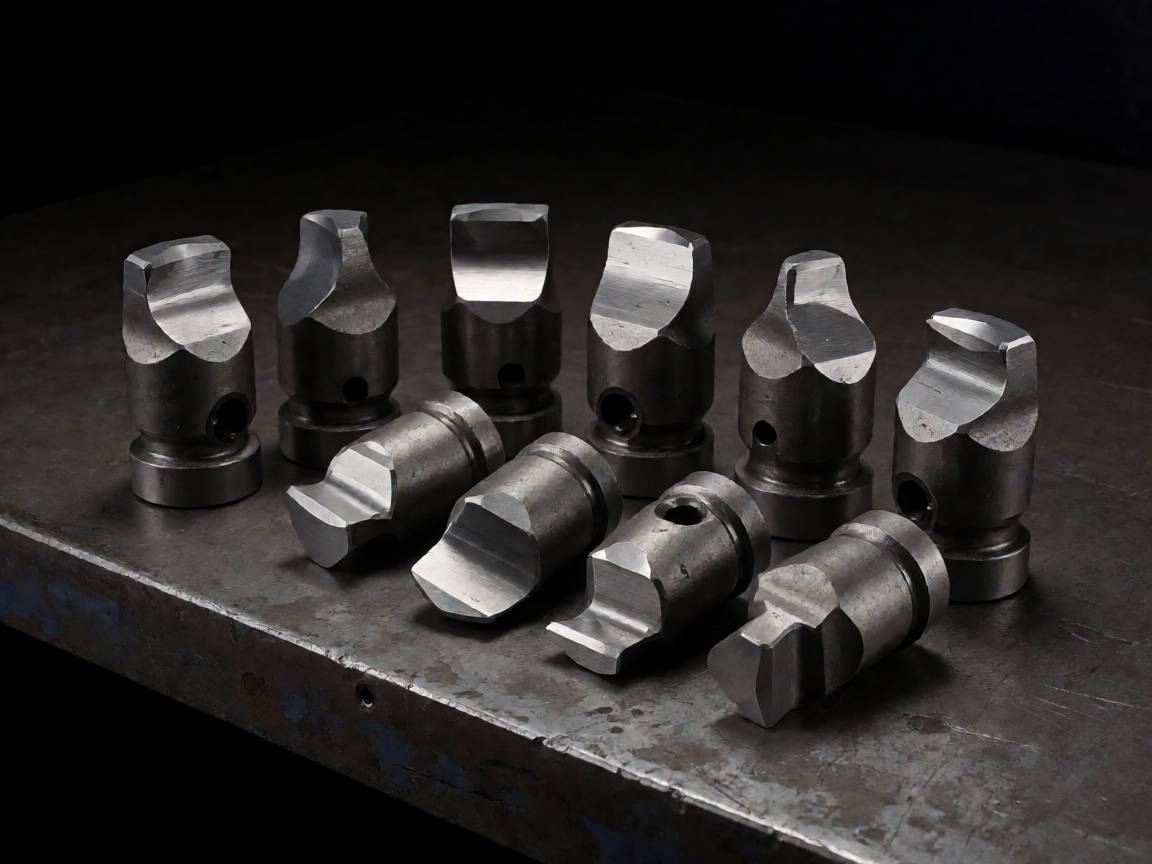
Two machine philosophies: Peterson and CBI
Peterson Pacific horizontal grinders — the 2700 and 2710 compacts, the workhorse 4700 and 4710 series, and the big 5400, 5700 and 6700 machines — run replaceable-tooth hammer mills. The holder, or hammer body, bolts to the drum and carries a sacrificial tip; you replace tips frequently and hammers occasionally. Terex CBI machines take a different route. The Magnum Force 5400BT chipper offers four field-swappable rotor configurations — segmented drum, forged drum, two-pocket and four-pocket chipper — on a single machine, and the 6400CT grinder runs a 60-inch rotor with interchangeable hammer arrangements. The CBI Grizzly Mill, the heavyweight of wood waste grinders, uses extra-heavy solid-steel offset helix rotors with bolt-on strikers that shear material from two directions against an anvil and grate. Knowing which philosophy your machine follows decides which wear parts you actually buy.
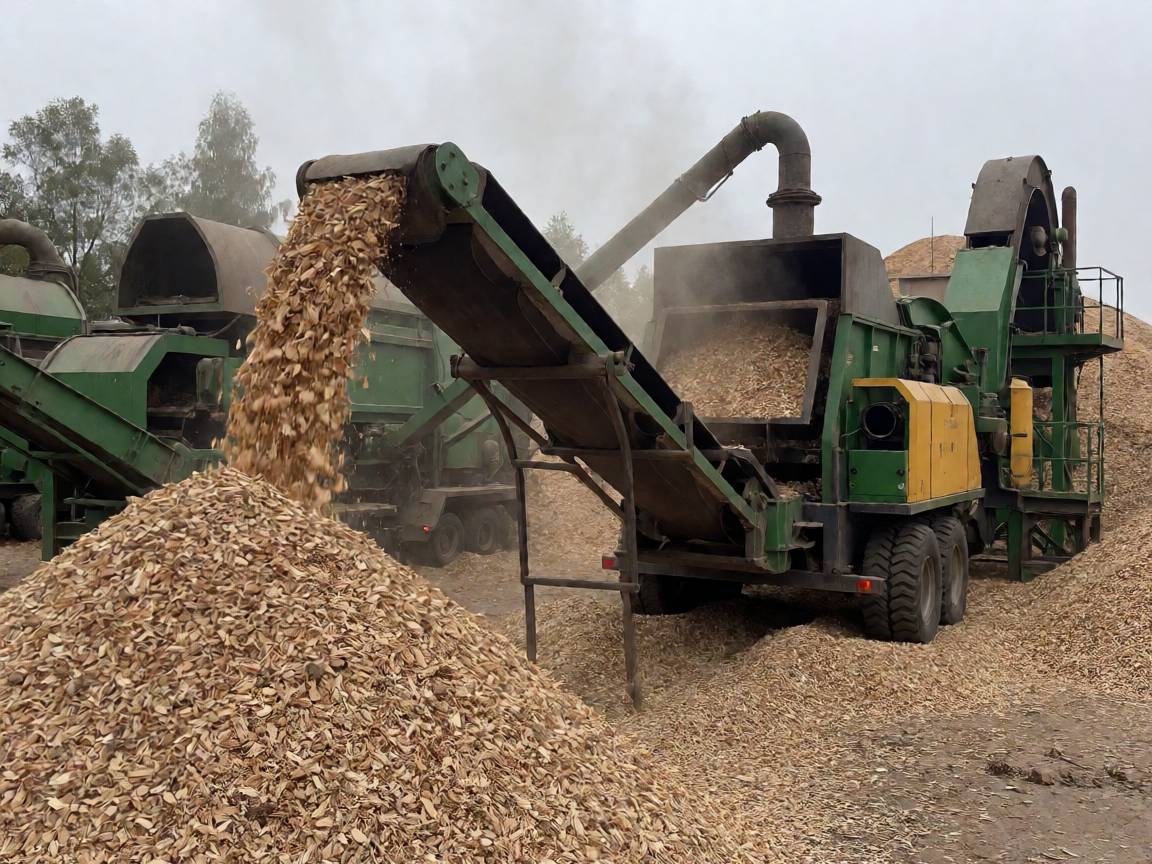
Peterson Pacific: the tip reference system
The Peterson aftermarket converges on a well-documented set of cross-references. The 2700/4700-class tip interchanges with Peterson numbers 79136-06, 92725-06, 79133-06, 79133-08, 83617, 80978, 100409 and 100119, and with common aftermarket patterns including Quadco QG1304 through QG1316 and several Kennametal-derived profiles. Mounting is a 3/4-inch bolt on a 2-1/4-inch wide, 4-1/4-inch long body with no side rails — measure your holder before ordering, because a saddleback profile will not seat in a flat pocket and vice versa. The big-frame 5700 and 6700 take the 83375-06 and 83375-08 series, a larger 3-1/8 by 6-7/16-inch tip with a 7/8-inch bolt. One useful quirk: several Peterson-class tips also fit Morbark 1300 and 4600XL mills and Rotochopper machines, so cross-brand yards can consolidate stock — verify the dimensions, not the paint color.
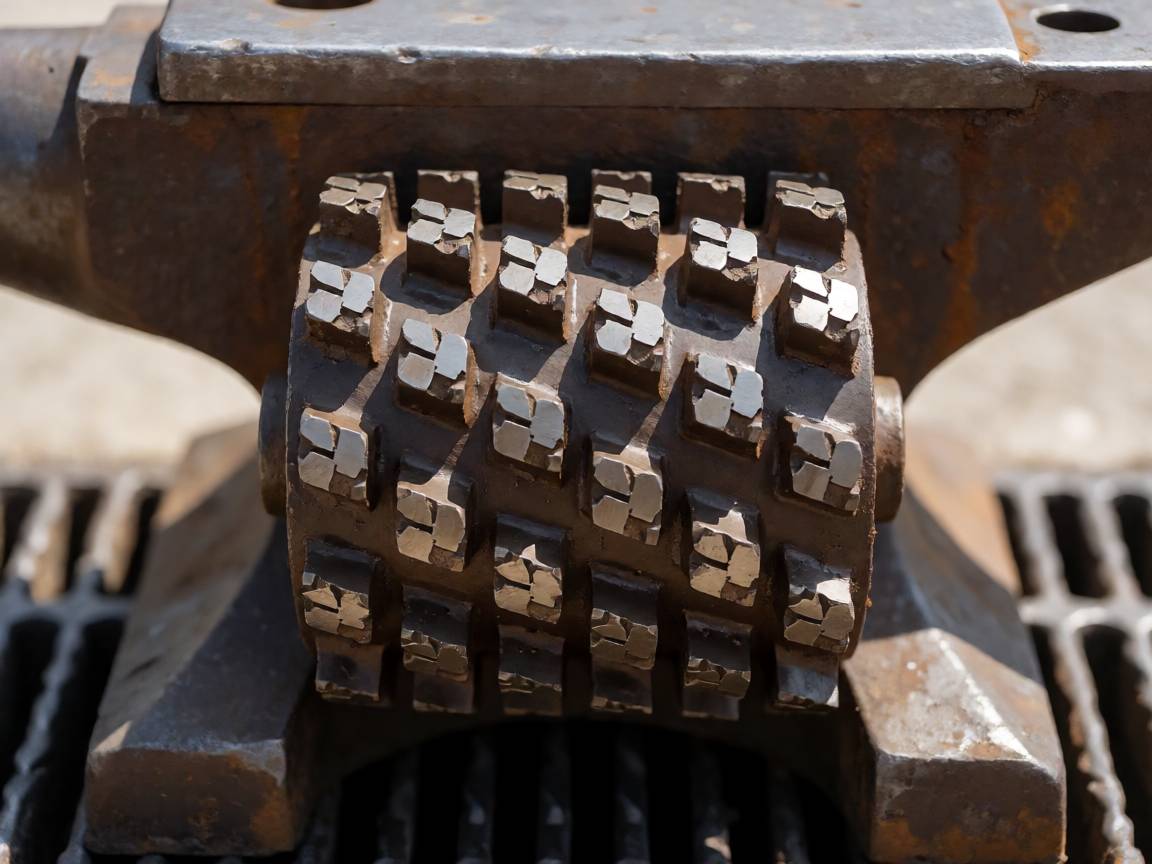
CBI: rotors, strikers and the parts nobody counts
On CBI machines the wear conversation extends past the teeth. The segmented and forged drum options wear differently — segmented drums let you replace only the worn segments, which is exactly the economics that made them popular. On Grizzly Mill rotors, the bolt-on strikers do the cutting, but the anvil and grate bars set the finished product size and wear invisibly until chip quality drops. Add the striker bolts, keeper hardware and screen frames to the inspection list, because a worn anvil makes even fresh strikers produce oversize material. And on every swappable-rotor CBI, the rotor configuration should match the feedstock before wear parts enter the discussion — a chipper drum forced through demolition wood will consume itself regardless of tip quality.
Match the tooth to the material mix
Three tooth families cover ninety percent of wood recycling work. Aggressive carbide weld teeth with exposed edges shred primary material — stumps, roots, demolition wood — fastest, and tolerate contamination best. Knife-edge tips sacrifice raw aggression for a clean cut, which is what chip and fuel buyers pay for. Heavy ripper profiles split the difference for mixed yards that cannot afford to re-tool between loads. The expensive mistake is running one style for everything: a knife-edge tip against stump spoil rounds off in hours, while a ripper tooth on clean chipper furnish wastes fuel and oversizes the product. Write the style and rotation position in the shift log, and review the data monthly — the pattern usually surprises people.
What we supply for wood recycling grinders
Our wood recycling wear parts are built in a dedicated wear-parts factory: hot forging plus 5-axis CNC machining for exact holder and bolt alignment, tungsten carbide brazing under automated temperature control, and hardfacing options for extreme abrasion. The range covers aggressive carbide weld teeth for primary grinding, knife-edge tips where chip quality matters, and heavy ripper profiles for stumps and roots — for Peterson Pacific, Terex CBI, Jenz, Doppstadt, Komptech and Willibald equipment. Monthly container shipments go to recyclers and dealers worldwide, and mixed trial sets let you test two or three styles against your own material before committing.
- BR-FM4001 carbide weld tooth for primary grinding
- BR-FM4002 knife-edge tip for chip quality
- BR-FM4003 heavy ripper profile for stumps and roots
- BR-FM4004 grinder tip for horizontal and tub grinders
If you also run a Beast recycler or a stump grinder alongside your Peterson or CBI machines, the tooth-by-material logic in our Bandit Beast wear parts guide and the wear-reading method in our stump grinder teeth guide apply to every carbide cutting tool on the yard.
Frequently asked questions
Are your parts made by Peterson, CBI, Jenz or Doppstadt?
No. We are an independent aftermarket manufacturer. All brand names on this page identify compatibility only and remain the property of their respective owners. Parts are engineered to original dimensions and verified against samples before production.
How do I choose between tooth styles for my material?
Tell us your material mix — clean wood, demolition, stumps, green waste — and your target output size. Aggressive weld teeth for primary grinding, knife-edge for chip quality, ripper profiles for stumps and roots. We can supply a mixed trial set so you can measure wear on your own material before a production order.
Do aftermarket tips really fit Peterson holders without modification?
Quality aftermarket tips are dimensioned to the original pocket geometry, and most yards install them with ordinary hand tools. The critical measurements are the mounting width, bolt diameter and center distance, and whether your holder expects a flat or saddleback profile. Five minutes with calipers before ordering prevents the classic wrong-tip delivery.
What lead time should I plan for grinder wear parts?
Standard patterns ship on monthly container schedules to most regions. For trial sets, plan a few weeks including transit; for scheduled supply programs we produce against your forecast so stock lands before you run out.
Tell us your machine model, your material mix and your target output size — contact us and our engineers will recommend a tooth configuration, with mixed trial sets available for verification.
Related posts

Snow Plow Cutting Edges: Steel, Carbide and What Fleets Should Buy
A county road department in the northern US ran out of cutting-edge life in the middle of a February storm. The soft edges on two plow trucks had worn back to the steel in four hours of hard plowing, ...

Cultivator Teeth and Points: How to Choose the Right Wear Part
A mixed farm in the US Midwest ran a six-metre stubble cultivator through a wet harvest season. By the third week the points had worn back enough that the tines were dragging soil instead of cutting i...

Morbark Grinder Teeth: Styles, Model Fit and How to Choose
A tree-waste processor in Oregon ran a Morbark 4600XL horizontal grinder through demolition wood that was mixed with rebar and concrete dust. The original teeth were gone in six weeks, and by the time...

Wood Grinder Wear Parts: A Guide for Peterson Pacific and Terex CBI Machines
A biomass yard in the Pacific Northwest was processing stumps, demolition wood and green waste through a pair of horizontal grinders, and their wear-parts spend was all over the map: cheap tips that d...
Seppi Mulcher Teeth: A Replacement Guide from MINIFORST to MAXISOIL
A forestry contractor maintaining forest roads in the Dolomites burned through a season's budget of teeth in eight weeks. His MIDIFORST dt was doing the work of two machines — mulching brush one week,...