
A mixed farm in the US Midwest ran a six-metre stubble cultivator through a wet harvest season. By the third week the points had worn back enough that the tines were dragging soil instead of cutting it, and the seedbed came out lumpy and full of unmixed residue. The dealer wanted a month for a full set of original points. The farm manager instead measured the tine spacing and the bolt pattern on one worn point, sent both to an aftermarket supplier, and had a carbide set on the machine inside ten days. The season was saved by a part that costs a fraction of the original.
That part is the cultivator point — the small, replaceable wear tip that does the actual cutting and mixing on a stubble cultivator, seedbed cultivator or deep loosener. It is the fastest-wearing part on the whole machine and the one most often bought in a panic. This guide covers how cultivator points are built, which shape fits which job, when tungsten carbide is worth the money, and how to match a point to your tine and your brand without a month of downtime.
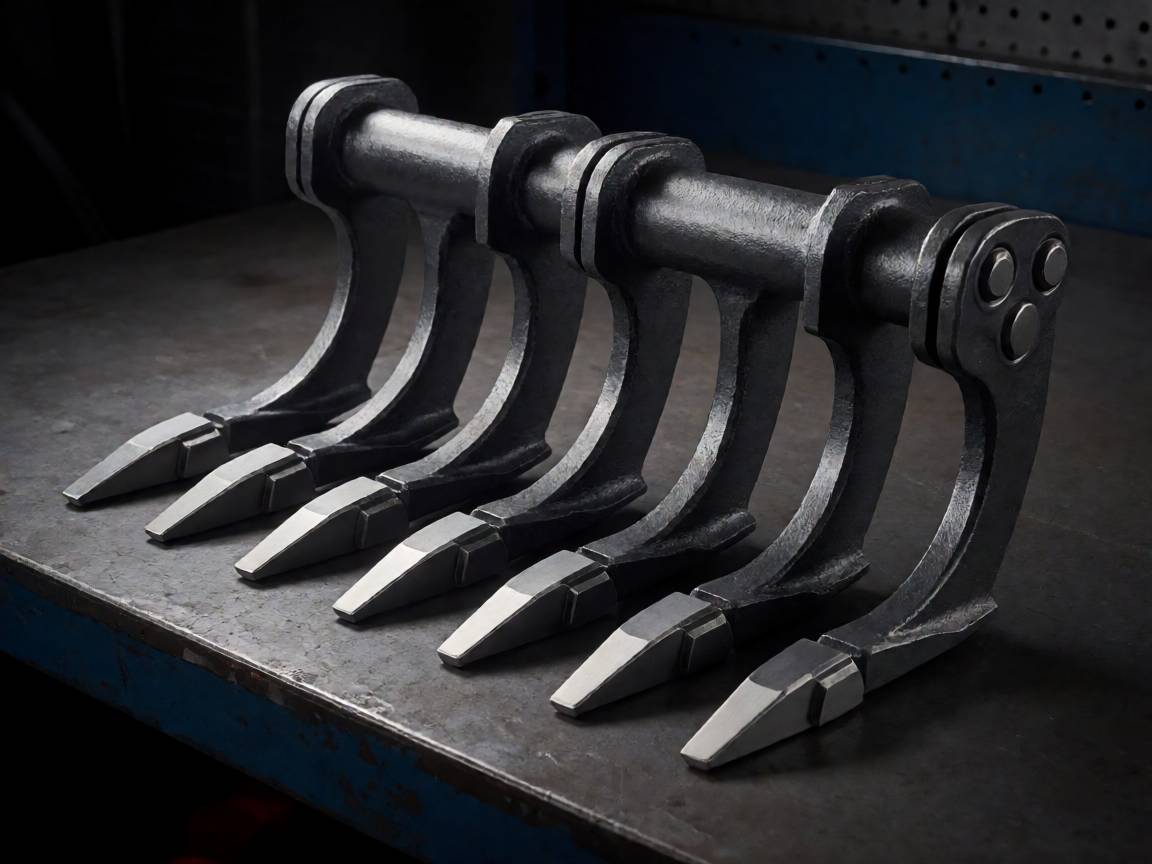
What a cultivator point actually does
A stubble cultivator works the top few centimetres of soil after harvest. The tines run in rows and the points on their tips cut the stubble, loosen the soil and mix the residue so it breaks down before the next pass. The point is the only part that touches the ground, so it takes all the abrasion from soil, stone and crop residue. A point that is the wrong shape for the job does not just wear faster — it changes the work: a shallow point run deep will ridge and bury residue, and a deep point run shallow will skim and leave a smeared, unbroken pan.
The wear is not uniform. The tip and the leading edge take the most abrasion, the wings and the sides take the rest, and the bolt area is where a worn point finally lets go. That is why a good point is shaped and hardened for where it actually wears, not just cast to a generic profile.
The point shapes you will actually order
Most stubble and seedbed work comes down to a few profiles, and the right one is set by the working depth and what you want done with the residue.
Goosefoot share
A wide, flat share that works the full width of the tine. It is the shallow-cultivation tool — cutting stubble and levelling a seedbed at three to seven centimetres. It leaves a clean, even surface and is the first choice when you are preparing a stale seedbed rather than burying residue.
Chisel point
A narrow, pointed tip that penetrates deep and loosens without inverting the soil. This is the tool for deep restructuring and for getting down to fifteen centimetres and beyond, where you want to break a pan and let water in without bringing subsoil to the surface.
Winged point
A point with wings bolted or welded on either side. The wings widen the cut and lift more soil, which mixes residue through the profile instead of leaving it in a band. Choose this when incorporation matters more than a fine seedbed — the seven to fifteen centimetre range where you want residue buried and broken down.
S-tine and coil-tine points
Curved tines that flex and release around stones. The points for these are shaped to keep the tine tracking straight and to protect the bolt from the constant flexing. If your cultivator runs S-tines or double-coil tines, the point has to match that tine, not just the brand.
The working depth is the honest way to choose between them. Shallow stubble work and seedbed prep: goosefoot. Residue incorporation and mixing: winged. Deep loosening and pan breaking: chisel. Run the wrong shape and you will burn fuel, wear points fast and still get a poor result.
Carbide or standard steel — when tungsten carbide pays
A standard forged-steel point is the right call for light, clean, stone-free soil where the abrasion is low and the point is cheap to replace. The moment the soil turns abrasive — sand, gravel, volcanic ground, or a lot of stone — a steel point can lose its edge in a single day and its profile in a week.
A tungsten-carbide point brazes a hard carbide face onto the forged steel body. The carbide holds an edge through abrasive soil that would dull plain steel in hours, and it keeps the point’s profile long enough that the tine keeps tracking straight. It costs more per point and pays for itself in longer intervals and fewer stops. Our BR-AT1016 severe-duty cultivator point is the severe-duty version for high-workload machines, and the standard range — BR-AT1001 universal cultivator point and BR-AT1003 tungsten carbide point among them — covers the everyday universal-fit work. Where the soil is genuinely abrasive, carbide is not a luxury; it is the difference between changing points every few days and changing them every few weeks.
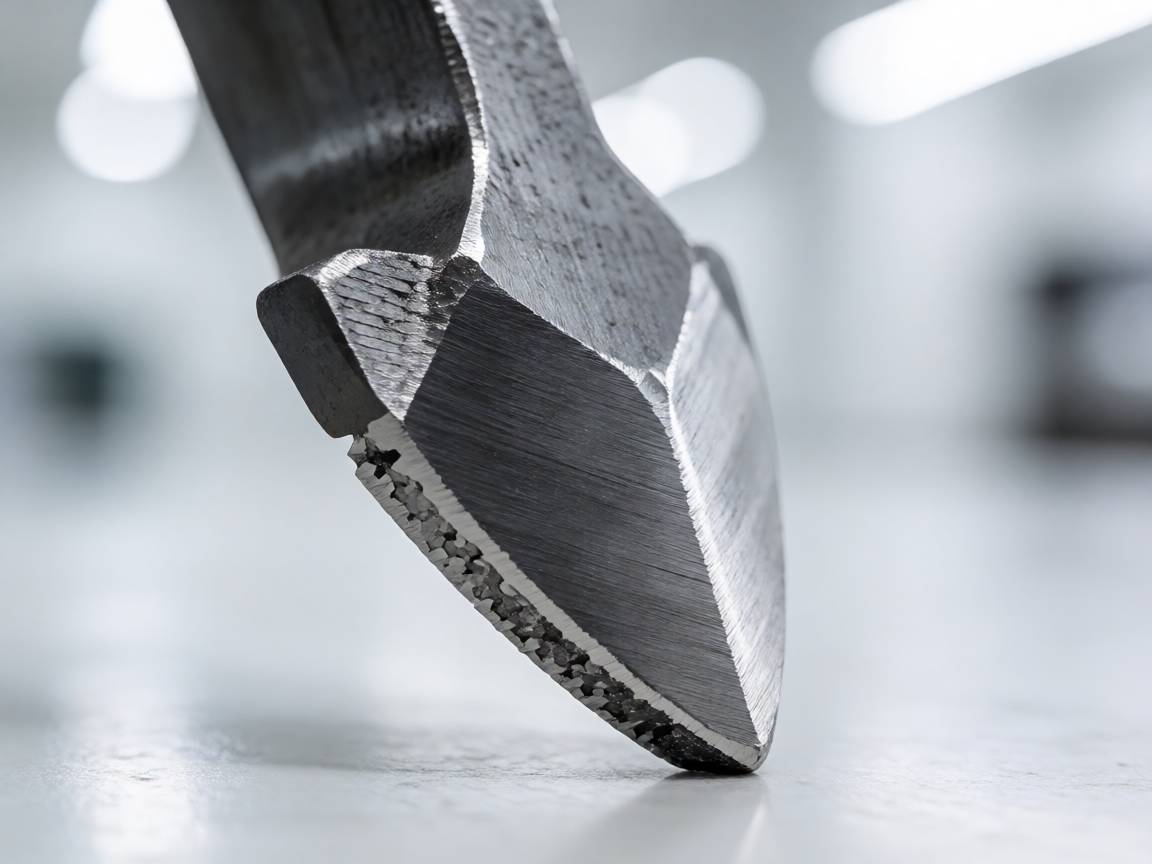
How to match a point to your machine
The brand on the cultivator is only half the story. Two machines from the same maker can run different tines, and the point has to fit the tine first. Before you order, check three things: the tine type (straight, S-tine or coil), the bolt size and spacing on the tine, and the working depth you actually run. A point that bolts on but is the wrong shape for the depth will wear out fast and do poor work.
Our points are built as universal-fit tungsten-carbide tips for the major European tillage brands — Kuhn, Lemken, Kverneland, Pöttinger, Amazone, Agrisem, Einböck, Kerner, Güttler, Unia and others. That list is not a guess; each point is dimensioned to the tine pattern it replaces. If your machine is not on the list, send us the tine type and the bolt pattern and we will confirm the fit before anything ships. The full range is on our agricultural wear parts page.
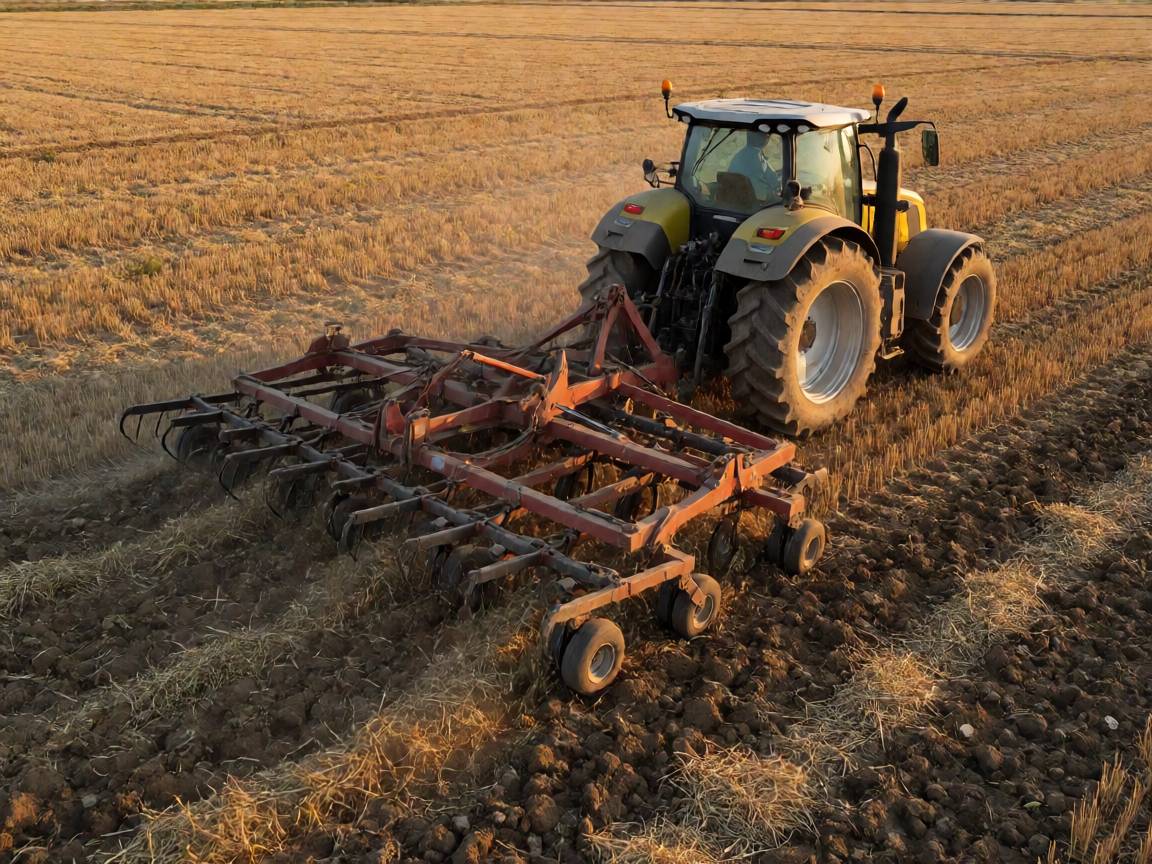
When to replace cultivator points
Replace a point when it has worn back enough to change the work, not when it finally snaps. The signs are consistent: the tine starts to ride up and leave an unbroken strip, the working depth drops even though the setting is unchanged, the machine pulls harder on the same ground, and the seedbed comes out lumpy with residue left in bands. A point worn to a stub also loads the bolt and the tine, so running a set past its life costs you more in the tine than the point was worth.
The honest rule: measure the point against a new one, not against the old one. A worn point has already lost its profile, so it cannot tell you the true length or the true shape. A quick comparison with a new point — or a note of the original length from the manual — tells you when the set is due. If you want the same discipline applied to a different machine, our Morbark grinder teeth walks through grinder teeth with the same measure-then-order habit.
What we build for tillage wear parts
Our agricultural wear parts are tungsten-carbide points for stubble cultivation, seedbed preparation and soil loosening. The bodies are forged and the carbide is brazed under controlled temperature, with a Kingshield hardfacing option on the points that face the heaviest abrasion. The severe-duty version is built for high-workload machines that run long days in abrasive ground.
The range covers the shallow-to-deep spectrum — goosefoot for seedbed work, chisel for deep loosening, winged points for residue incorporation — and it fits the major European tillage brands out of the box. If you run a different machine, we will dimension a point to your tine pattern. Monthly container shipments go to farms, dealers and importers worldwide, and a mixed trial set lets you run two point shapes against your own soil before you commit a full season to one. For the heavier side of the same product family, our FAE mulcher teeth and chocky bars cover the mulching and grinding machines that work the same ground harder.
Frequently asked questions
Are these points made by Kuhn, Lemken or Kverneland?
No. Baurong is an independent aftermarket manufacturer. Every brand name on this page describes compatibility only and remains the property of its owner. Our points are dimensioned to the tine patterns those machines use and checked against sample tines before production.
How do I know which point fits my cultivator?
Tell us the machine brand and model, the tine type (straight, S-tine or coil) and the working depth you run. If you have the bolt size and spacing on the current tine, send that too. We confirm the fit before anything ships.
Carbide or standard steel — which should I buy?
Abrasive soil, sand, gravel or a lot of stone: tungsten carbide. Light, clean, stone-free soil: standard forged steel. If you are unsure of your own ground, order a mixed trial set and run the two against your soil before committing a full season to one.
What lead time should I plan for cultivator points?
Trial sets and standard patterns ship on our monthly container schedule, a few weeks including transit. For a standing supply we produce against your forecast so stock lands before you run out. Tell us your machine and acreage and we will size it.
Tell us your cultivator brand and model, your tine type and the working depth you run, and we will spec the point before anything ships. Send the bolt pattern if you have it — it is the fastest path to a guaranteed fit. You can contact us or pull a mixed trial set and test two shapes on your own soil first.
Related posts

Snow Plow Cutting Edges: Steel, Carbide and What Fleets Should Buy
A county road department in the northern US ran out of cutting-edge life in the middle of a February storm. The soft edges on two plow trucks had worn back to the steel in four hours of hard plowing, ...

Cultivator Teeth and Points: How to Choose the Right Wear Part
A mixed farm in the US Midwest ran a six-metre stubble cultivator through a wet harvest season. By the third week the points had worn back enough that the tines were dragging soil instead of cutting i...

Morbark Grinder Teeth: Styles, Model Fit and How to Choose
A tree-waste processor in Oregon ran a Morbark 4600XL horizontal grinder through demolition wood that was mixed with rebar and concrete dust. The original teeth were gone in six weeks, and by the time...

Wood Grinder Wear Parts: A Guide for Peterson Pacific and Terex CBI Machines
A biomass yard in the Pacific Northwest was processing stumps, demolition wood and green waste through a pair of horizontal grinders, and their wear-parts spend was all over the map: cheap tips that d...
Seppi Mulcher Teeth: A Replacement Guide from MINIFORST to MAXISOIL
A forestry contractor maintaining forest roads in the Dolomites burned through a season's budget of teeth in eight weeks. His MIDIFORST dt was doing the work of two machines — mulching brush one week,...