
A tree-waste processor in Oregon ran a Morbark 4600XL horizontal grinder through demolition wood that was mixed with rebar and concrete dust. The original teeth were gone in six weeks, and by the time the local dealer quoted a three-week lead time, the yard had already stopped booking jobs. He called three suppliers. Two sold him cast-iron teeth that lasted about as long as the original set. The third asked for his material mix and his bolt dimensions, and the teeth that arrived held up through a whole season.
The gap was never the price. It was that the last supplier understood what the machine was actually eating. Morbark grinder teeth — the insert teeth for tub grinders, horizontal shredders and wood hogs that process stumps, green waste and contaminated debris — only do their job when the tooth is matched to the material and the mounting. Matched, they hold a clean cut for months. Mismatched, you are buying teeth every few weeks and chasing vibration and poor product. This guide covers how Morbark teeth are specified, which styles hold up in which jobs, and how to build a supply line that does not leave your grinder standing still.
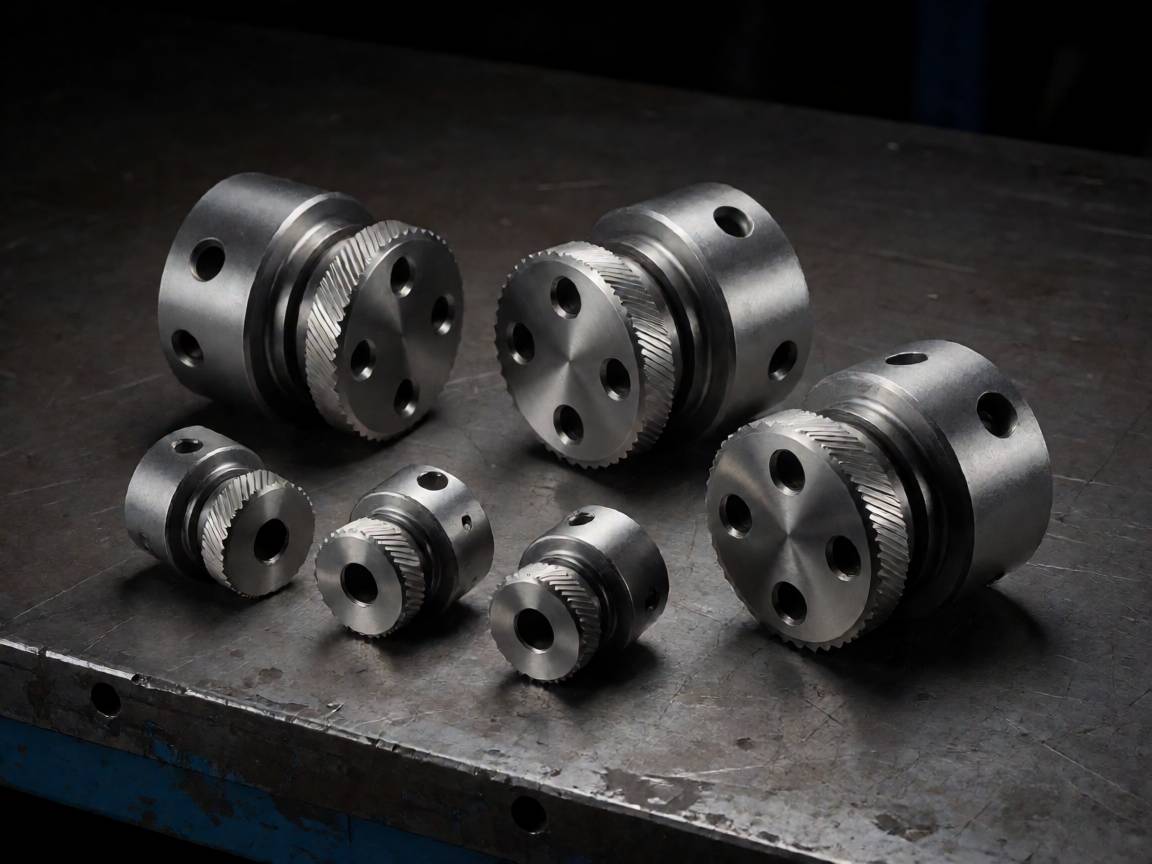
How a Morbark grinder cuts material
Morbark horizontal and tub grinders shear material against a fixed anvil and a wear grate. The rotor or hammer carries the cutting teeth, and on the heavier wood hogs the strikers strike from two directions against the anvil. The tooth is a bolt-on insert: a forged steel body with a mounting back that seats into the holder, and a cutting face that does the shearing. As it runs, the face wears flat, the side rails back off, and the mounting dims change just enough to open a gap between tooth and anvil. That gap is where grabbing, vibration and screen bypass start.
On a clean wood chip feed the wear is slow and predictable. Run it on contaminated demolition or heavy re-grind material and the same tooth can lose a third of its face in weeks. The wear rate is set by the material, the grate openings and how hard you load the machine — not by the tooth brand. That is why the fix is a tooth chosen for the feed, not the cheapest one that bolts in.
The tooth styles you actually order
Most Morbark applications come down to three bodies, and the right one is decided by the material, not the model.
Carbide-weld teeth
Tungsten carbide brazed onto a forged steel body under controlled temperature. This is the long-life choice for abrasive, contaminated or re-grind feeds — the carbide face keeps its edge through bar, metal and concrete dust that dulls plain steel fast. It costs more per tooth and pays for itself in longer intervals. Our BR-FM4001 carbide-weld tooth for primary grinding is built for exactly this primary-grinding duty.
Forged-steel insert teeth
Heavier forged bodies, no carbide overlay. The right call for clean wood, green waste and lighter mixed feed, where the material is not abrasive enough to justify carbide. They are the cost-effective everyday tooth. BR-FM4004 horizontal and tub grinder tip covers this range for horizontal and tub grinders.
Knife-edge and ripper profiles
Where chip quality matters or you are pulling stumps and roots, you move to a knife-edge or a heavy ripper shape. BR-FM4003 heavy ripper profile is the ripper profile we run for stumps and roots rather than a general-purpose tooth.
Before you order anything, look at the mounting, not just the model number. Morbark holders come in three back styles: saddleback (concave back that grips the holder), flat back and rail back (sits on a rail in the holder). A few of the larger wood hogs also split into left-hand and right-hand hammers, so the same model takes two mirrored teeth. Bolt holes run 3/4 inch, 7/8 inch and 5/8 inch across the range. Get the back style and bolt diameter wrong and a well-made tooth still will not seat.
Which Morbark models the wear parts fit
The Morbark line is broad. Across tub grinders, horizontal shredders and wood hogs the models we spec teeth for include:
Tub grinders: 1100, 1200, 1200XL, 1250, 1300, 1400 and 1500. Horizontal grinders: 3000X, 3400X, HD30 and HD60. Wood hogs: 2400X, 2600, 3200, 3600, 3800, 3800XL, 4600, 4600XL, 5600 and 7600. Most of these share a small number of tooth patterns, so one body can cover several models — our BR-NB7001 Morbark replacement tooth (127 x 75 mm, 3/4 inch two-bolt) is a direct replacement for the tub and horizontal grinders Morbark 1250, 1200XL, 1300, 3800, 3800XL and 4600XL, and it also fits a range of Peterson, Precision Husky and Rotochopper machines. The full compatible range is on our Morbark wear parts page.
If your model is not on the list, do not guess. Send us the model and, if you have it, the OEM part number the holder was ordered with — a part number like 40668-571 or 40437-184 pins down the exact back style and bolt layout faster than any photo. The general grinder tip range pages break the range into primary-grinding, chip-quality and ripper duty.
When to replace Morbark grinder teeth
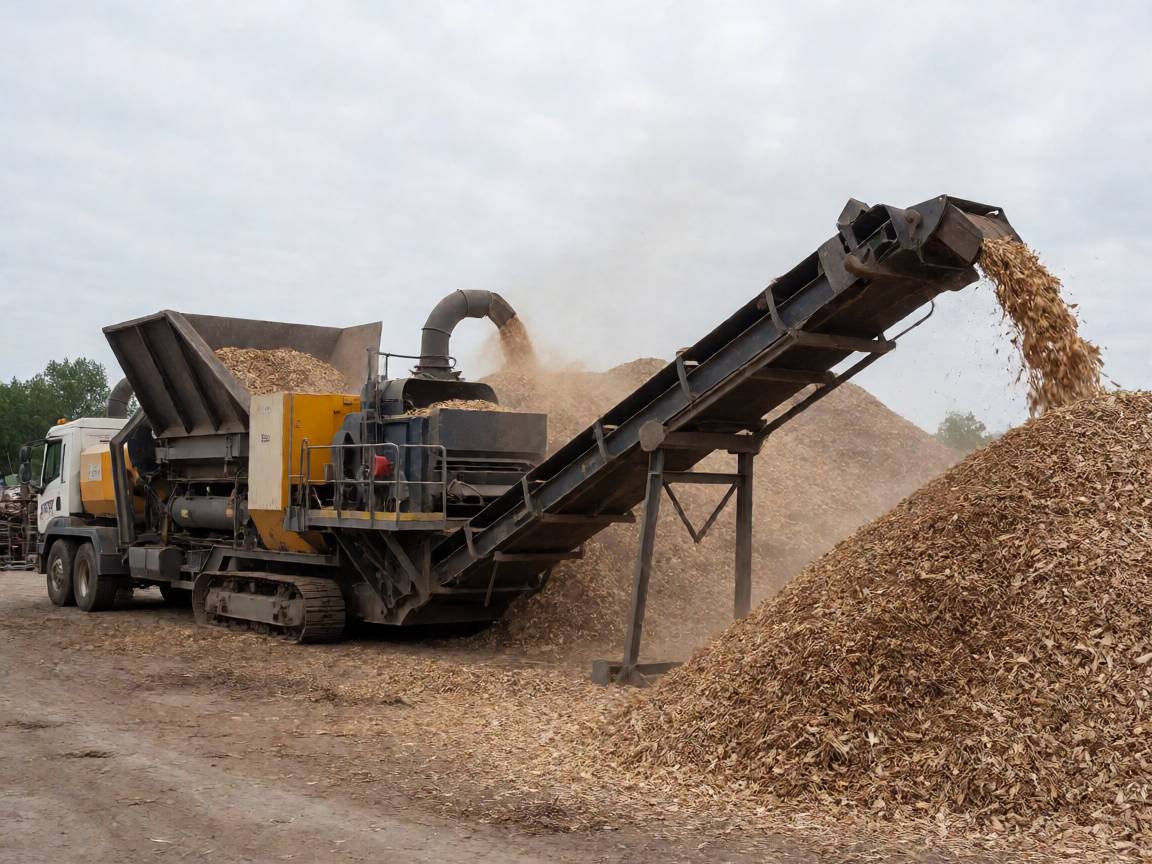
The rule of thumb we hold to: replace the teeth when they have worn to about half their original height, or the first time you see the symptoms instead of waiting for the numbers. The symptoms are consistent: the machine grabs and backs up more, the amp draw climbs on the same feed, you start pulling whole chunks out of the discharge instead of chips, and the rotor and anvil start to ring on a light tap. Every one of those is a gap opening between the worn tooth and the anvil.
Before you order, measure the holder, not the old tooth. Worn teeth no longer tell you the true mounting dims — the body has taken up wear. Calipers on the holder give you the back style, the inside width and the bolt center-to-center. Five minutes with calipers before ordering is what stops the classic wrong-tooth delivery that bounces back across the ocean a month later. If you want a worked example of the same habit applied to stump grinders, our stump grinder teeth replacement guide walks through it model by model.
What we build for wood-recycling grinders
Our wood-recycling wear parts are built in a dedicated wear-parts shop. The bodies are hot-forged, then 5-axis CNC machined for exact holder and bolt alignment. The carbide is brazed under automated temperature control, with a hardfacing option for the heaviest abrasive feeds. That combination is what keeps a tooth square in its holder long after a cast one has gone out of shape.
The range runs from aggressive carbide-weld teeth for primary grinding through knife-edge tips where chip quality matters to heavy ripper shapes for stumps and roots — for Morbark, Peterson Pacific, Terex CBI, Jenz, Doppstadt and Willibald machines. If you want to read the Peterson and CBI side of that same product line, our Peterson and CBI grinder wear parts covers the steeper, heavier machines in detail. Monthly container shipments go to recyclers and dealers worldwide, and a mixed trial set lets you run two or three tooth styles against your own feed before you commit a full season to one.
Frequently asked questions
Are these Morbark teeth made by Morbark?
No. Baurong is an independent aftermarket manufacturer. Morbark and every other brand name on this page describe compatibility only and remain the property of their owners. Our teeth are engineered to the original mounting dimensions and checked against sample holders before production.
How do I know which tooth fits my Morbark model?
Give us the machine model, your material mix and your target output size. If you have the OEM part number on the current holder, send that too — it pins down the back style and bolt layout. We spec the body and bolt size from there and confirm the fit before anything ships.
Carbide-weld or forged-steel — which should I buy?
Abrasive or contaminated feed, re-grind, concrete and metal dust: carbide-weld. Clean wood and green waste: forged-steel. If you are unsure of your own mix, order a mixed trial set and run the two against your material before you commit a full season to one style.
What lead time should I plan for Morbark grinder teeth?
Trial sets run a few weeks including transit, built and shipped on our monthly container schedule. For a standing supply we produce against your forecast so stock lands before you run out. Tell us your machine and volume and we will size it.
Tell us your Morbark model, your material mix and your target output size, and we will spec the tooth before anything ships. Send the OEM part number if you have it — it is the fastest path to a guaranteed fit. You can contact us or pull a mixed trial set and test two or three styles on your own feed first.
Related posts

Snow Plow Cutting Edges: Steel, Carbide and What Fleets Should Buy
A county road department in the northern US ran out of cutting-edge life in the middle of a February storm. The soft edges on two plow trucks had worn back to the steel in four hours of hard plowing, ...

Cultivator Teeth and Points: How to Choose the Right Wear Part
A mixed farm in the US Midwest ran a six-metre stubble cultivator through a wet harvest season. By the third week the points had worn back enough that the tines were dragging soil instead of cutting i...

Morbark Grinder Teeth: Styles, Model Fit and How to Choose
A tree-waste processor in Oregon ran a Morbark 4600XL horizontal grinder through demolition wood that was mixed with rebar and concrete dust. The original teeth were gone in six weeks, and by the time...

Wood Grinder Wear Parts: A Guide for Peterson Pacific and Terex CBI Machines
A biomass yard in the Pacific Northwest was processing stumps, demolition wood and green waste through a pair of horizontal grinders, and their wear-parts spend was all over the map: cheap tips that d...
Seppi Mulcher Teeth: A Replacement Guide from MINIFORST to MAXISOIL
A forestry contractor maintaining forest roads in the Dolomites burned through a season's budget of teeth in eight weeks. His MIDIFORST dt was doing the work of two machines — mulching brush one week,...