
A grinding contractor in Ohio added a second shift on his 3680XP to keep up with tear-off shingles, and his wear-parts bill doubled in a month. The teeth were not wearing out faster — he was simply running the wrong tooth style for the material, and chewing through rakers he did not know were consumable. Bandit Beast wear parts are not complicated, but the catalog is wide enough that a systematic approach saves real money.
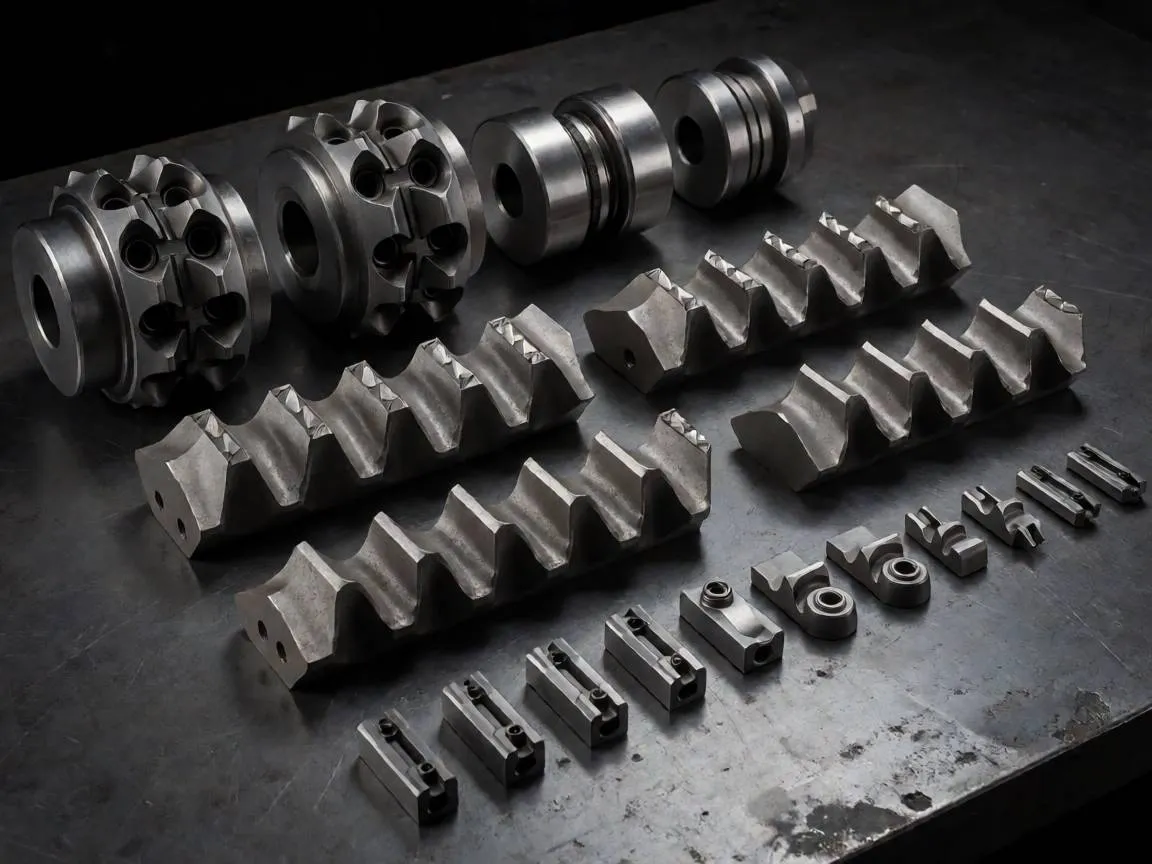
How the Beast cutting system fits together
The Beast recycler line — 1680, 2680, 3680 and the big 4680 with its chipper drum — cuts with a replaceable-tooth mill. A steel cutterbody bolts to the drum and holds the working teeth. Rakers ride between the teeth to control bite depth and feed the screen evenly, and wiper inserts sweep the screen itself. Each of those four components wears at a different rate, which is why operators who only budget for teeth get surprised.
OEM references make this easy to navigate once you know the pattern: cutterbody bolts are 900-4908-78 (1-inch-14 x 3-7/8), wiper inserts are 900-9915-20 (hardfacing) and 900-9915-21 (carbide sprinkle), wear blocks 900-9915-24 and counter knives 900-9915-25. Keep those numbers in your maintenance log and reordering takes minutes.
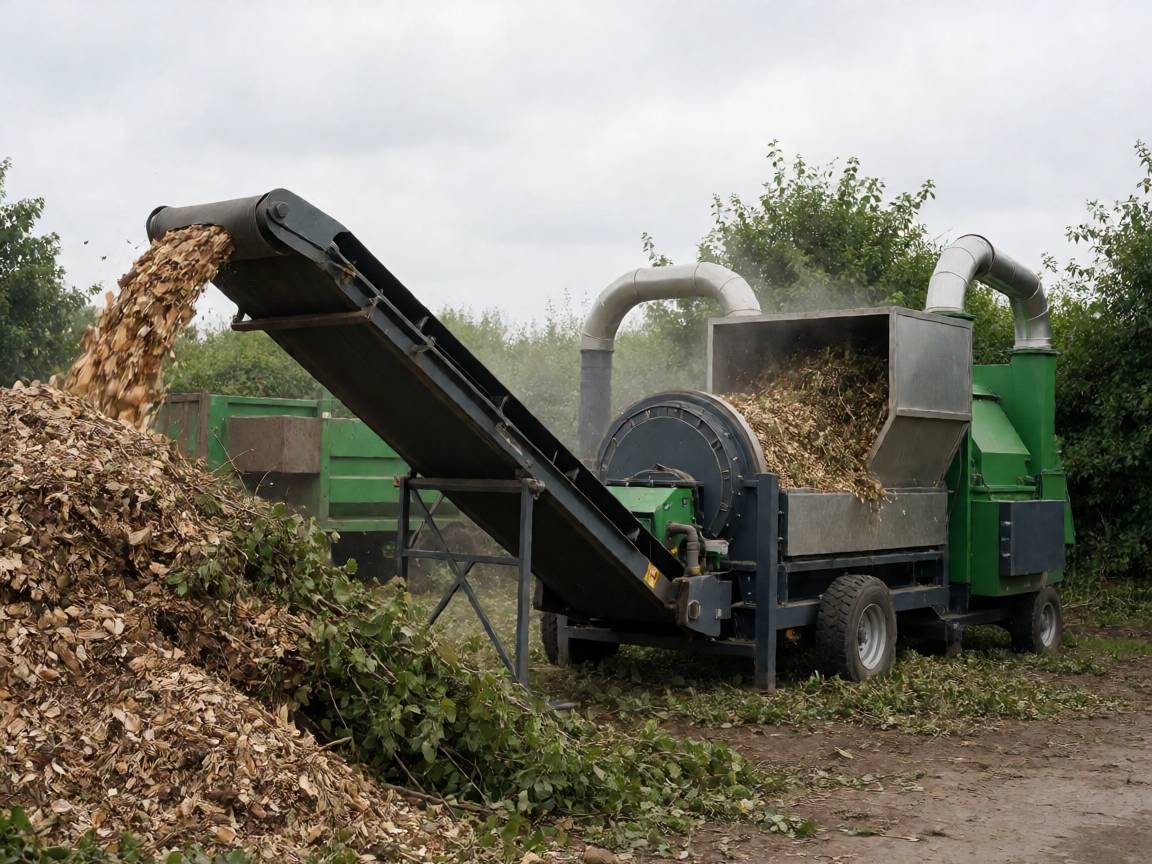
Match the tooth to the material, not to habit
Standard splitter teeth are the generalists — clean wood, limbs, pallets. If your feedstock is stringy or wet, fan-tooth versions help throw material through the screen faster; the factory recommendation is a minimum of 30 fan teeth in most applications, because airflow through the mill matters as much as cutting power. Demolition wood and tear-off shingles call for the knife-style cutterbodies (KSCB) or carbide-sprinkle patterns like the 55G series, which tolerate nails and grit that would chip a plain splitter tooth in an hour.
The expensive mistake is running a premium carbide pattern on clean wood. You pay two or three times the price for life you cannot use. Conversely, running standard teeth on shingle waste is false economy — you will change teeth daily. Write the tooth part number on the shift log when you find the right setup, and treat that as the baseline.
The wear parts nobody budgets for
Rakers control how deep each tooth bites. As they wear, teeth take bigger bites, vibration climbs and the drum loads unevenly — operators describe it as the machine pounding. Fresh rakers are cheap; worn ones cost you teeth and screens. Wiper inserts wear into the screen frame if ignored. Wear blocks and counter knives on the 4680 chipper drum decide chip quality. Add all four to the inspection checklist, not just the teeth.
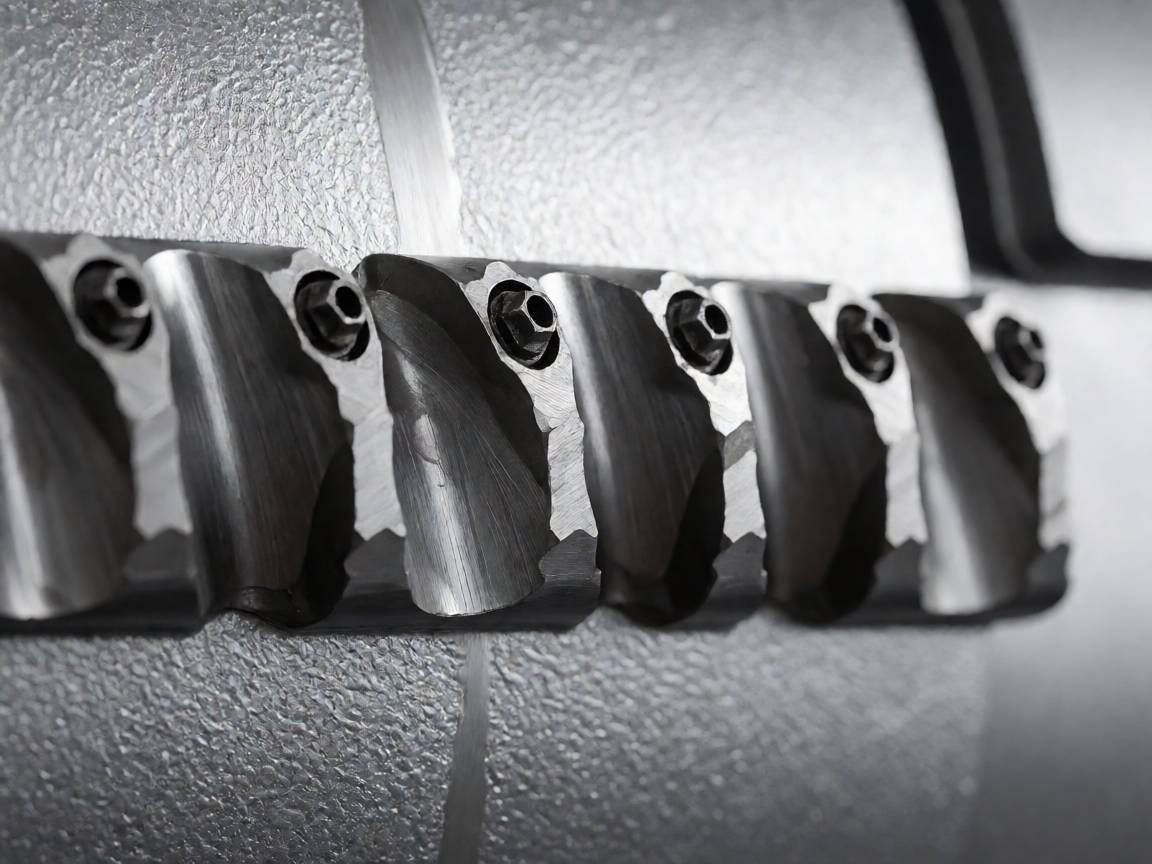
Hardware discipline: where most failures start
Beast mill hardware is heavy 1-inch and 3/4-inch grade-8 class fastening, and it works hard. Bandit’s own guidance for knife-style tooling is to replace mounting hardware after five torquing cycles, and the same logic applies to tooth bolts and stover lock nuts. A stretched bolt lets a tooth walk, and one loose tooth in a mill destroys the cutterbody, the neighboring teeth and usually the screen. Torque to spec at install, re-check after the first hour of operation, and never re-use a lock nut that has spun loose.
OEM or aftermarket: a sourcing framework
OEM parts are the safe default and sensible under warranty. Once the machine is out of warranty, quality aftermarket wear parts — including Kennametal-pattern hammer tips sold by independent houses — often run 30-50 percent cheaper per operating hour. The evaluation criteria are boring but effective: dimensional match to your holder, carbide grade and braze quality (no voids at the joint), steel hardness in spec, and a supplier who will take a caliper measurement or a worn sample before quoting.
What we supply for Beast grinders
Our Bandit-compatible wear parts cover carbide replacement teeth for Bandit mulching attachments and key wear components for Beast-series horizontal grinders — cutter teeth, ripper-style tips and raker profiles. Bodies are forged steel, carbide grades are matched to your material (YG8 for clean wood, YG11C for abrasive conditions), and dimensions are verified against original specifications. Small trial orders are welcome if you want to verify fit before a supply program.
- BR-FM3001 carbide tooth for Bandit mulchers and Beast grinders
- BR-FM3002 ripper-style tip for abrasive material
- BR-FM3003 raker profile for Beast mills
Running other grinder brands alongside the Beast? Our grinder tip range covers teeth for Morbark, Vermeer and Peterson heads, and the wear-reading advice in our stump grinder teeth guide applies to any carbide cutting tool.
Frequently asked questions
What is the minimum order for Bandit Beast pattern wear parts?
Trial quantities are fine. Most grinder owners start with one mill set — teeth, rakers and hardware for a full drum — to check fit and life against their current supplier before moving to scheduled batch orders.
How do I know which tooth pattern my 3680 has now?
Pull one tooth and read any marking on the back or measure it: mounting face dimensions, overall length and carbide style. Send us the measurements or a photo next to a ruler and we cross-reference it against splitter, fan and knife-style patterns.
Can I mix tooth styles on the same mill?
Yes, within reason. Operators commonly run carbide-pattern teeth at the feed side where contamination enters and standard teeth elsewhere. Keep the balance roughly even around the drum and never mix on the same cutterbody station.
Do aftermarket parts fit under the Bandit warranty?
Wear parts are consumables, so the mill warranty is generally not affected by their origin. Damage caused by a failed part is different — if an aftermarket tooth breaks and wrecks the mill, that repair claim gets complicated. Buy from suppliers who stand behind fit and quality.
Send your machine model, the OEM number from the part, or photos of the worn component — contact us and we will cross-reference it and quote within one working day.
Related posts

Bandit Beast Wear Parts: A Practical Guide to Teeth, Cutterbodies and Rakers
A grinding contractor in Ohio added a second shift on his 3680XP to keep up with tear-off shingles, and his wear-parts bill doubled in a month. The teeth were not wearing out faster — he was simply ru...

Denis Cimaf Mulcher Teeth: A Replacement Guide for DAH and DAF Series
A land-clearing crew near Trois-Rivières was three days into a right-of-way job when the DAF-180E started leaving streaks of uncut brush. The operator pulled the head, and half the forged knives were ...

Chocky Bars: What They Are, Where to Use Them, and How to Choose
A quarry manager in Western Australia once told us his bucket rebuild budget was the only line item he could not predict. The lip would look fine at the monthly inspection, then lose six millimeters o...

FAE Mulcher Teeth: A Replacement Guide for UML, UMM and UMH Mulchers
FAE mulching heads hold their value better than almost anything else in the land clearing business, and for good reason. The weak point is not the machine. It is a row of steel teeth spinning against ...

Stump Grinder Teeth: When to Replace Them and How to Choose
Last month a tree service crew from Georgia sent us photos of their grinder. The machine had less than 800 hours on it, but the wheel was shaking so hard the operator refused to run it. They suspected...