
A Texas land-clearing yard ran two Diamond Z tub grinders on storm debris and stumps. The operator ordered a set of standard 3-inch tips, bolted them on and went back to work. Three weeks later the corners were worn through on every tip, the hammers were starting to run metal-on-metal against the grate, and the discharge had gone from chips to shredded strings. The tip had done its job. It was the wrong tip for a feed full of dirt, stone and demolition debris.
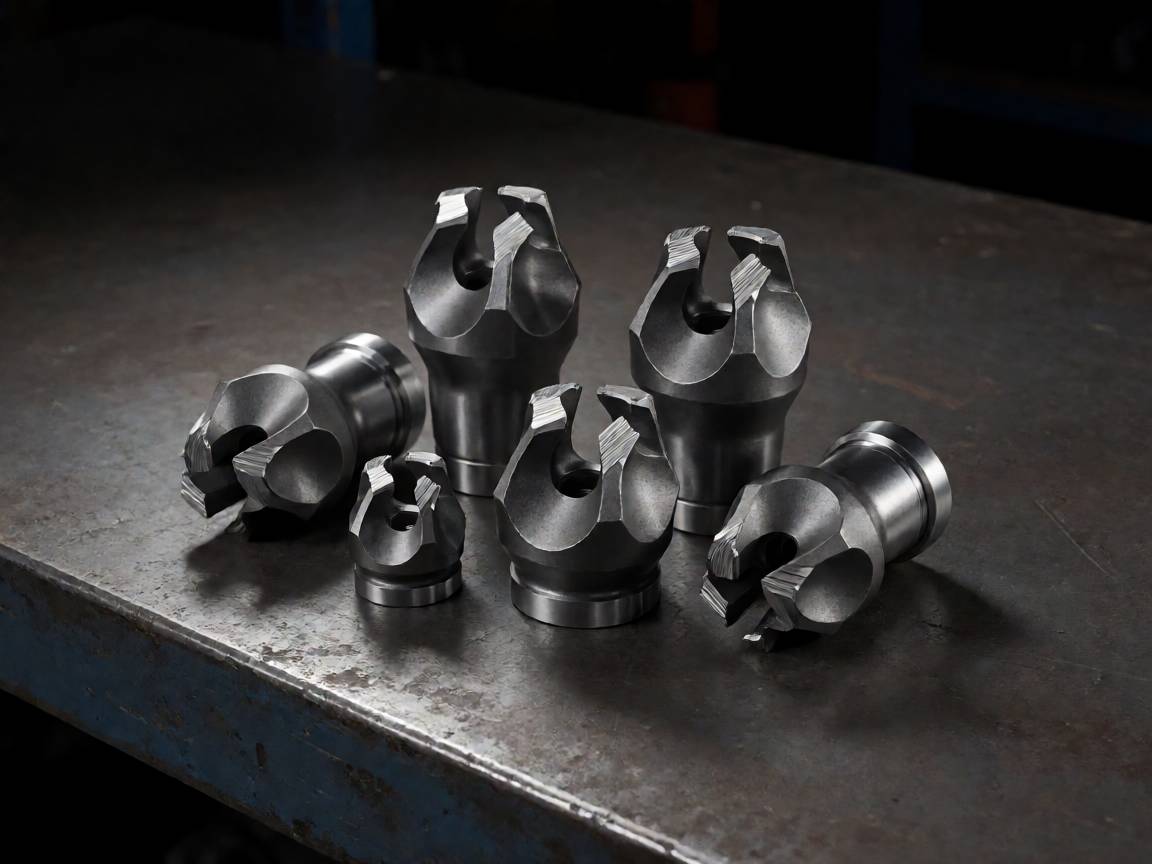
Diamond Z tub grinders are built around a hammermill, and the tip on each hammer is the part that does the cutting. Diamond Z grinder teeth come in several carbide configurations, and the difference between a standard tip and a full-carbide or bear-claw tip is not cosmetic — it decides how many weeks you get between changes on the material you actually grind. This guide covers the tip styles, the hardware, the models they fit and how to read wear before it costs you a hammer.
How a Diamond Z tub grinder wears its tips
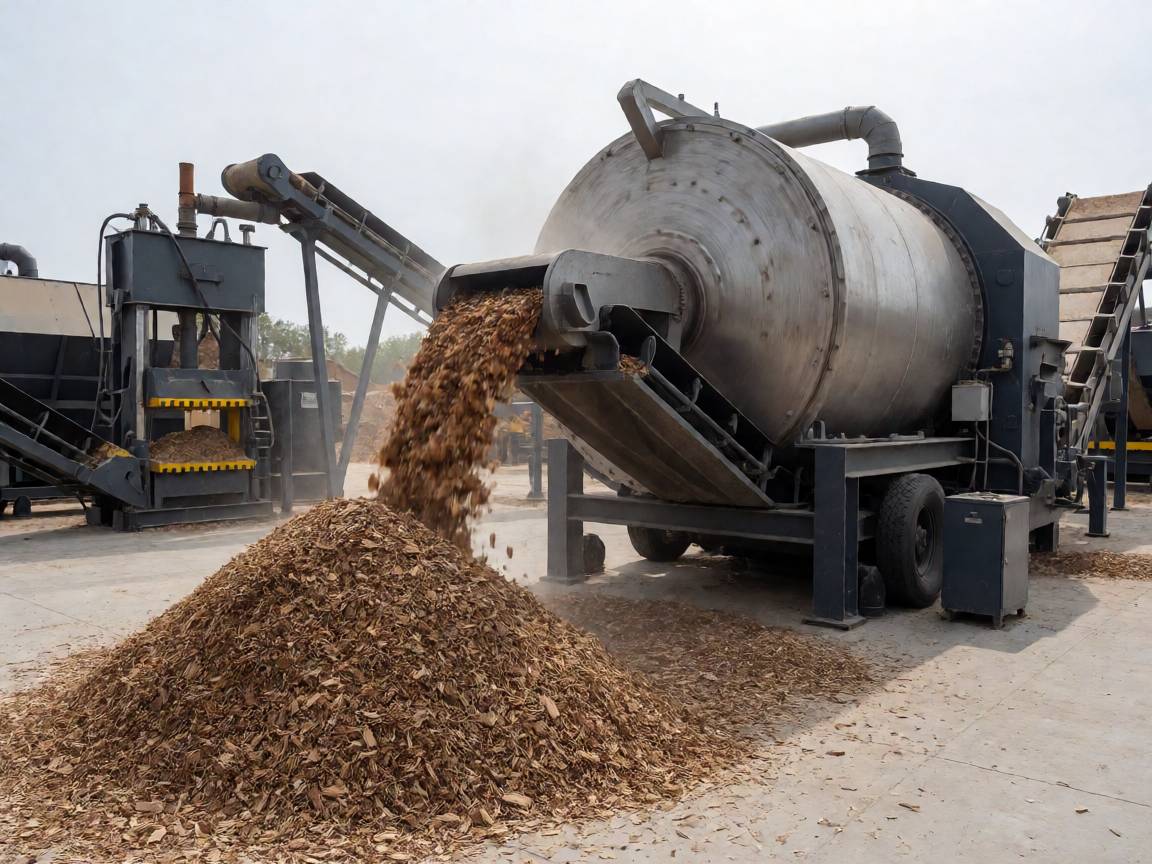
Material drops into the tub and is carried down to a spinning hammermill. The hammers swing on rods and drive the tips through the feed against a cutter bar and a screen. The tip shears, the screen sizes, and what does not pass goes around again. Every pound of dirt, stone or metal in the feed hits the tip, and the tip takes it before the hammer does.
That is why tip choice matters more than people expect. A tip that is too light for the feed wears through its corners, the hammer starts to take the impact, and a hammer change costs far more than a tip change. Diamond Z builds both quick-change and fixed hammers, and the tip has to match the hammer style — a quick-change tip will not seat on a fixed hammer.
The six tip styles and when to run them
Diamond Z tips share one body size and differ in where the carbide sits. The standard 3-inch tip family runs from a plain cutting edge to full-face carbide and a bear-claw profile, and the right one is set by how abrasive and how contaminated the feed is.
Standard tip
A forged steel body with carbide welded on the leading edge. The general-purpose tip for clean wood, green waste and light storm debris. It is the cheapest per tip and the right starting point when the feed is not heavily contaminated.
Corner carbide tip
Adds carbide to the corners, which is where a tub grinder tip wears first — the corners lead the cut and take the concentrated abrasion. Corner carbide is the step up for mixed loads with some dirt and stone, and it is the most common upgrade from standard.
Full end carbide tip
Carbide across the full end face. For feed that is consistently abrasive — stumps with soil in the roots, yard waste with grit, material that has been through a loader bucket on the ground. It holds the cutting edge far longer than corner carbide alone.
Full carbide tip
Carbide on the full face, not just the end. The heavy-duty choice for high-volume operations grinding dirty demolition wood and stump material day after day. It costs more per tip and is the one that keeps a hammer out of the shop.
Eight weld tip
A tip with eight weld points of carbide protection around the body. The extra welds protect the sides and shoulders, which is where a tip wears once the face has been dressed back. Suited to very abrasive feeds and long intervals between changes.
Bear claw tip
A heavy, aggressive profile with carbide protection across the working face. Built for the toughest feeds — contaminated demolition debris, stumps, material that punishes a standard tip. It is a production tip, not a general-purpose one.
Tip geometry and the hardware that holds it
A Diamond Z tub grinder tip is roughly 3 to 3-1/2 inches wide and weighs about 7 pounds. It mounts with two 7/8 x 5-1/2 inch grade-eight bolts, or as a one-hole interlocking tip on the hammers that take that pattern. The tips are reversible, so you can flip a worn edge to the other side and get a second life out of the same tip before it is scrapped.
The bolts matter as much as the tip. Grade-eight hardware is what holds a 7-pound tip against the shock of a tub grinder; a softer bolt stretches, the tip works loose and the hammer pocket wears. Replace the bolts and washers with the tips, not after them. The same logic applies on the grinders we cover in our Morbark grinder teeth guide and Peterson Pacific and Terex CBI guide guides — the mounting is half the fit.
Which Diamond Z models the tips fit
The Diamond Z tub grinder line runs from the 1136B through the 1248B and 1248BTK, the 1260, the 1352B, the 1460B and 1460BL, and the 1463, up to the 3000 and the 4000 to 8000 series. Most of these share the same hammer-and-tip pattern, which is why one tip body covers several models.
The fit is set by the hammer, not by the model number alone. If you are unsure, send us the model, the hammer type (quick-change or fixed) and the OEM part number if you have it, and we will confirm the tip before anything ships. The full range sits in our grinder tip range and wood recycling wear parts categories.
Reading tip wear and knowing when to change
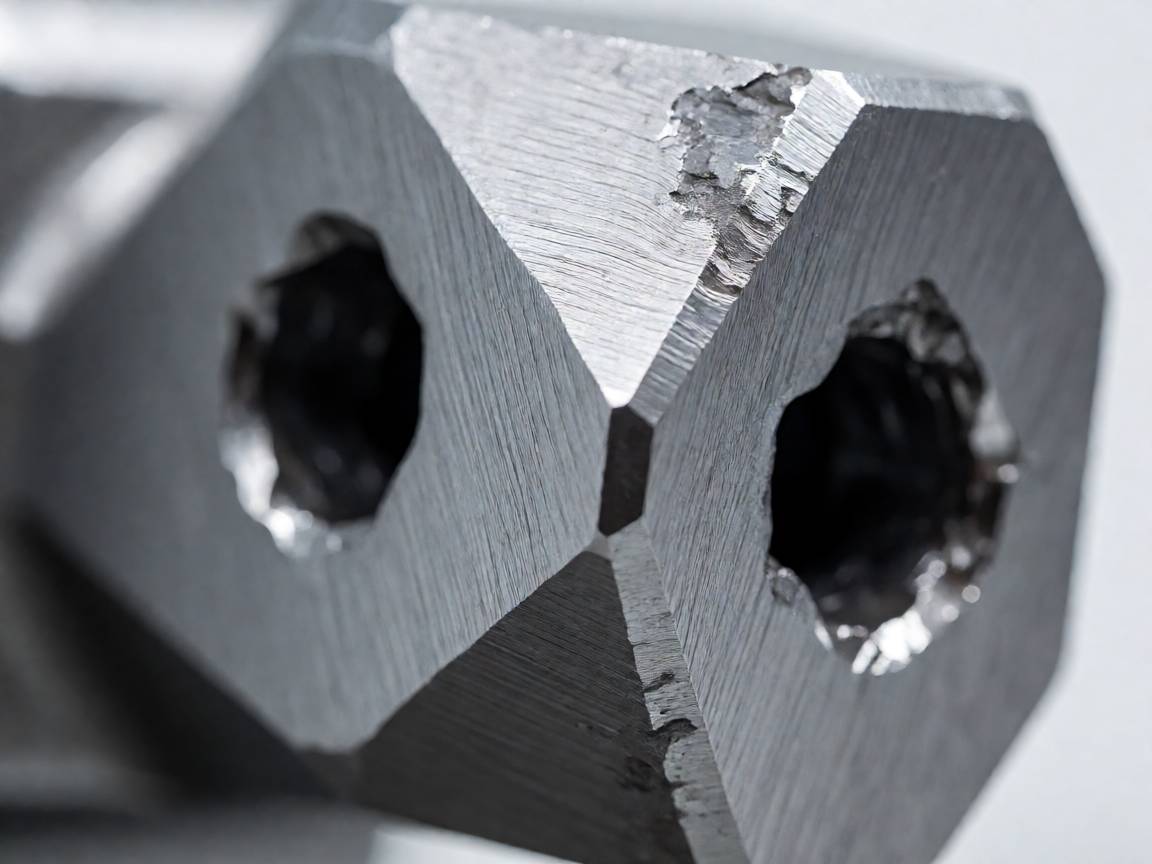
Inspect the tips, not just the machine. The first wear shows on the corners; if the sides go before the corners and cutting edges are completely worn, the tip is too light for the job and a six-pass or heavier-carbide tip will protect the holder better. If the carbide is gone entirely, the tip is done — the remaining steel will not hold an edge and the hammer starts taking the load.
A worn tip also changes the product. Once the cutting edge rounds over, the mill stops shearing and starts tearing, the screen loads up, and throughput drops while fuel burn climbs. Operators often answer that with more feed, which wears the tips faster. Change the tips when the edge goes, and the rest of the machine stays healthy.
What we build for tub and horizontal grinders
Our wood recycling wear parts are built in a dedicated wear-parts shop: hot-forged bodies, 5-axis CNC machining for holder and bolt alignment, and tungsten carbide brazed under automated temperature control. The range covers aggressive carbide weld teeth for primary grinding, knife-edge tips where chip quality matters, and heavy ripper profiles for stumps and roots — for Diamond Z, Morbark, Peterson Pacific, Terex CBI, Jenz and Doppstadt machines.
The BR-FM4001 carbide weld tooth, BR-FM4002 knife-edge tip, BR-FM4003 heavy ripper tooth and BR-FM4004 horizontal and tub grinder tip cover the common duty levels, and we supply mixed trial sets so you can run two or three styles against your own feed before committing a season to one. Monthly container shipments go to recyclers and dealers worldwide.
Frequently asked questions
Are these tips genuine Diamond Z parts?
No. Baurong is an independent aftermarket manufacturer. Diamond Z and other brand names on this page describe compatibility only and remain the property of their owners. Our tips are dimensioned to the hammer patterns those machines use and checked against sample hammers before production.
Which tip style should I run on dirty demolition wood?
Full carbide or bear claw. Standard and corner-carbide tips are for cleaner feed; when dirt, stone and metal are in the mix, the extra carbide on the full face is what keeps the corners from wearing through before the tip has earned its cost.
How do I know which tip fits my Diamond Z?
Give us the model, the hammer type (quick-change or fixed) and the OEM part number if you have it. The tip mounts to the hammer, so the hammer pattern decides the fit. We confirm before shipping.
What lead time should I plan for Diamond Z tips?
Standard patterns ship on our monthly container schedule, a few weeks including transit. For a standing supply we produce against your forecast. Tell us your model and monthly volume and we will size it.
Tell us your Diamond Z model, your hammer type and the material you grind, and we will spec the tip before anything ships. Send the OEM part number if you have it. You can contact us or ask for a mixed trial set and test two styles on your own feed first.
Related posts

Diamond Z Grinder Teeth: Tip Styles, Model Fit and Replacement
A Texas land-clearing yard ran two Diamond Z tub grinders on storm debris and stumps. The operator ordered a set of standard 3-inch tips, bolted them on and went back to work. Three weeks later the co...

Snow Plow Cutting Edges: Steel, Carbide and What Fleets Should Buy
A county road department in the northern US ran out of cutting-edge life in the middle of a February storm. The soft edges on two plow trucks had worn back to the steel in four hours of hard plowing, ...

Cultivator Teeth and Points: How to Choose the Right Wear Part
A mixed farm in the US Midwest ran a six-metre stubble cultivator through a wet harvest season. By the third week the points had worn back enough that the tines were dragging soil instead of cutting i...

Morbark Grinder Teeth: Styles, Model Fit and How to Choose
A tree-waste processor in Oregon ran a Morbark 4600XL horizontal grinder through demolition wood that was mixed with rebar and concrete dust. The original teeth were gone in six weeks, and by the time...

Wood Grinder Wear Parts: A Guide for Peterson Pacific and Terex CBI Machines
A biomass yard in the Pacific Northwest was processing stumps, demolition wood and green waste through a pair of horizontal grinders, and their wear-parts spend was all over the map: cheap tips that d...